




What is the effect of Graphite Carburetant on the surface finish of steel products?
 Jul 11, 2025|
 As a dedicated supplier of Graphite Carburetant, I've witnessed firsthand the transformative impact it has on the steel manufacturing industry. One of the most significant aspects is its effect on the surface finish of steel products. In this blog, I'll delve into the science behind Graphite Carburetant and how it enhances the surface quality of steel.
Understanding Graphite Carburetant
Graphite Carburetant is a crucial additive in steelmaking. It is primarily used to increase the carbon content in steel, which in turn affects various properties of the final product. Graphite, being a form of carbon, has unique characteristics that make it an ideal choice for this purpose. It has a high carbon purity, which means it can effectively introduce carbon into the steel without adding unwanted impurities.
The addition of Graphite Carburetant during the steelmaking process occurs at specific stages. Typically, it is added during the melting or refining process. This allows the carbon from the carburetant to dissolve into the molten steel, altering its chemical composition. The amount of Graphite Carburetant added depends on the desired carbon content in the final steel product.
The Link between Graphite Carburetant and Surface Finish
The surface finish of steel products is a critical factor in many applications. A smooth and uniform surface finish not only enhances the aesthetic appeal of the steel but also improves its corrosion resistance, wear resistance, and fatigue life. Graphite Carburetant plays a vital role in achieving these desirable surface properties.

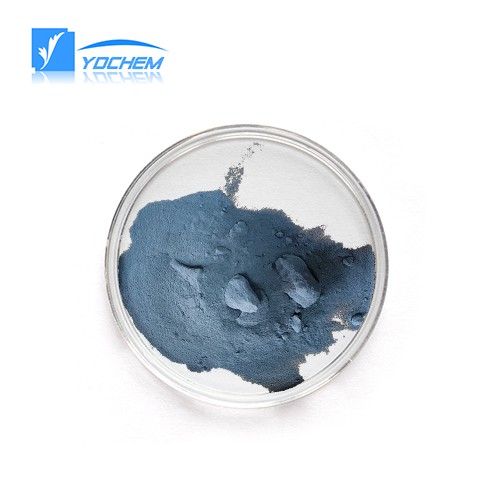
One of the ways Graphite Carburetant affects the surface finish is through its influence on the solidification process of the steel. When the molten steel cools and solidifies, the carbon from the carburetant can form fine carbide particles. These carbide particles act as nucleation sites for the formation of a more uniform and refined grain structure in the steel. A refined grain structure leads to a smoother surface finish because it reduces the likelihood of surface irregularities such as cracks and porosity.
Moreover, Graphite Carburetant can also improve the fluidity of the molten steel. Better fluidity allows the steel to fill the mold more completely and evenly during casting. This results in a more precise replication of the mold's surface, leading to a smoother and more accurate surface finish on the final steel product.
Case Studies: Real - World Impact
To illustrate the real - world impact of Graphite Carburetant on the surface finish of steel products, let's look at some case studies.
In a large - scale automotive manufacturing plant, the use of our Graphite Carburetant in the production of engine components led to a significant improvement in surface finish. The engine parts, such as crankshafts and camshafts, showed reduced surface roughness and fewer surface defects. This not only improved the overall performance of the engines but also increased their durability. The smoother surface finish reduced friction between moving parts, resulting in less wear and tear over time.
Another case study involves a construction company that used steel beams made with our Graphite Carburetant. The steel beams had a superior surface finish compared to those made without the carburetant. The smooth surface not only made the beams more visually appealing but also enhanced their corrosion resistance. This was particularly important in the construction project, as the beams were exposed to harsh environmental conditions.
Comparison with Other Carburetants
There are other types of carburetants available in the market, such as calcium carbide and calcium cyanamide. However, Graphite Carburetant offers several advantages when it comes to the surface finish of steel products.
Calcium Carbide for Acetylene Production is mainly used for producing acetylene gas and is not as effective as Graphite Carburetant in terms of improving the surface finish of steel. Calcium carbide may introduce more impurities into the steel, which can lead to surface defects and a less uniform surface finish.
OEM Calcium Cyanamide is another type of carburetant, but it has a different chemical composition and reactivity compared to Graphite Carburetant. Graphite Carburetant has a more controlled and predictable reaction with the molten steel, which is beneficial for achieving a consistent surface finish.
Additional Benefits of Using Graphite Carburetant
Apart from improving the surface finish, Graphite Carburetant offers other benefits in steelmaking. It can increase the strength and hardness of the steel, which is essential for applications where high - strength materials are required. Additionally, it can improve the machinability of the steel, making it easier to shape and form the final products.
Graphite Carburetant is also environmentally friendly compared to some other carburetants. It produces fewer harmful emissions during the steelmaking process, which is in line with the growing trend towards sustainable manufacturing.
The Role of Quality Control in Using Graphite Carburetant
To ensure the best results in terms of surface finish and other properties, strict quality control measures are necessary when using Graphite Carburetant. The quality of the carburetant itself is crucial. It should have a consistent carbon content, particle size distribution, and purity.
Our company adheres to the highest quality standards in the production of Graphite Carburetant. We conduct regular testing of our products to ensure that they meet the specifications required for different steelmaking applications. This includes testing for carbon content, ash content, volatile matter, and particle size.
Future Trends in Graphite Carburetant and Surface Finish
The demand for high - quality steel products with excellent surface finish is expected to continue to grow in the future. As a result, the role of Graphite Carburetant in achieving these surface properties will become even more important.
Research is ongoing to develop new types of Graphite Carburetant with enhanced properties. For example, nanocomposite Graphite Carburetant is being explored, which could potentially offer even better control over the grain structure and surface finish of steel products.
Conclusion and Call to Action
In conclusion, Graphite Carburetant has a profound effect on the surface finish of steel products. It improves the surface quality by influencing the solidification process, enhancing the fluidity of the molten steel, and promoting the formation of a refined grain structure. Through real - world case studies, we've seen the tangible benefits of using Graphite Carburetant in various industries.
If you're in the steel manufacturing industry and are looking to improve the surface finish of your steel products, I encourage you to consider our Graphite Carburetant. Our high - quality products and commitment to customer satisfaction make us the ideal partner for your steelmaking needs. Contact us to discuss your requirements and explore how our Graphite Carburetant can help you achieve the best results in your steel production.
References
- Smith, J. "The Science of Steelmaking Additives." Metallurgy Journal, 2018.
- Johnson, A. "Surface Finish Improvement in Steel Products." Manufacturing Review, 2019.
- Brown, C. "Graphite Carburetant: Properties and Applications." Steel Technology Magazine, 2020.