




What is the distribution of Graphite Carburetant in molten steel?
 Oct 16, 2025|
 Hey there! As a graphite carburetant supplier, I've been getting a lot of questions lately about how graphite carburetant distributes in molten steel. So, I thought I'd sit down and write this blog to share what I know.
First off, let's talk about why graphite carburetant is so important in the steel - making process. Carburetant, as you can learn more about here, is used to increase the carbon content in steel. Graphite carburetant, in particular, is a popular choice because of its high carbon content and good reactivity.
When graphite carburetant is added to molten steel, the distribution process is quite complex. It doesn't just dissolve evenly right away. The distribution is affected by a few key factors.
One of the most important factors is the temperature of the molten steel. Molten steel is extremely hot, usually around 1500 - 1600 degrees Celsius. At this high temperature, the graphite carburetant starts to react with the steel. The heat causes the graphite to break down and release carbon atoms. However, the rate of this reaction depends on the temperature. If the temperature is too low, the carburetant might not react as quickly, and it could lead to uneven distribution.
Another factor is the stirring or agitation of the molten steel. In most steel - making processes, the molten steel is stirred to help with the distribution of additives like graphite carburetant. Stirring can be done mechanically or by using gas injection. Mechanical stirring involves using a device to physically move the molten steel around. Gas injection, on the other hand, involves blowing a gas (usually argon) into the molten steel. This creates bubbles that rise through the steel, causing it to circulate.
The size of the graphite carburetant particles also plays a role in its distribution. Smaller particles have a larger surface area, which means they can react more quickly with the molten steel. They also tend to disperse more easily. Larger particles, on the other hand, might take longer to react and could sink to the bottom of the ladle or furnace, leading to uneven carbon distribution.
Let's take a closer look at what happens at the molecular level. When the graphite carburetant comes into contact with the molten steel, the carbon atoms in the graphite start to diffuse into the steel matrix. Diffusion is a process where atoms move from an area of high concentration (the graphite carburetant) to an area of low concentration (the steel). This diffusion process continues until the carbon is evenly distributed throughout the steel.
However, achieving a truly uniform distribution is not always easy. There can be local variations in carbon concentration. For example, near the surface of the molten steel, there might be more contact with the air, which could cause some oxidation of the carbon. This could lead to a lower carbon concentration in that area.
To ensure a better distribution, steel manufacturers often use a combination of techniques. They carefully control the temperature of the molten steel, use effective stirring methods, and select the right particle size of the graphite carburetant.
Now, let's talk about some of the applications where a good distribution of graphite carburetant is crucial. In the production of high - quality steels, such as those used in the automotive and aerospace industries, precise control of carbon content is essential. These industries require steels with specific mechanical properties, and the carbon content has a big impact on those properties. For example, increasing the carbon content can make the steel stronger and harder, but it can also make it more brittle. So, getting the right distribution of carbon is key to achieving the desired properties.

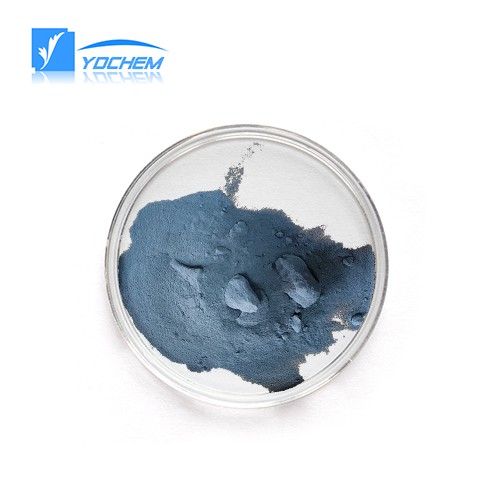
In addition to high - quality steels, graphite carburetant is also used in the production of cast iron. In cast iron, the carbon content affects the microstructure and the casting properties. A well - distributed carbon can lead to better casting quality and fewer defects.
As a graphite carburetant supplier, I work closely with steel manufacturers to help them optimize the use of our product. We offer different grades of graphite carburetant with varying particle sizes and carbon contents to meet the specific needs of different applications.
If you're in the steel - making or cast - iron industry, you might also be interested in other related products. For example, OEM Calcium Cyanamide is another important additive in the metallurgy field. It can be used for various purposes, such as nitrogen addition and desulfurization. And Calcium Carbide for Acetylene Production is also a product that has its own unique applications in the industry.
In conclusion, the distribution of graphite carburetant in molten steel is a complex process that is affected by temperature, stirring, particle size, and other factors. Achieving a uniform distribution is crucial for producing high - quality steels and cast iron. At our company, we're committed to providing high - quality graphite carburetant and helping our customers optimize its use in their steel - making processes.
If you're interested in learning more about our graphite carburetant or have any questions about its distribution in molten steel, don't hesitate to reach out. We'd be more than happy to have a chat with you and discuss how we can meet your specific needs. Whether you're a small - scale steel producer or a large industrial player, we've got the products and expertise to support you.
References
- Smith, J. (2018). Steel - making Processes and Additive Distribution. Metallurgy Journal, 25(3), 123 - 135.
- Johnson, A. (2019). The Role of Carbon Additives in Steel Production. Industrial Materials Review, 18(2), 45 - 56.
- Brown, C. (2020). Factors Affecting the Distribution of Graphite in Molten Metals. Metal Science Quarterly, 32(4), 201 - 212.