




How does Guanidine Phosphate improve the performance of paints?
 Oct 27, 2025|
 Hey there! As a supplier of Guanidine Phosphate, I'm super stoked to share with you how this nifty chemical can seriously level up the performance of paints. Let's dive right in!
What is Guanidine Phosphate Anyway?
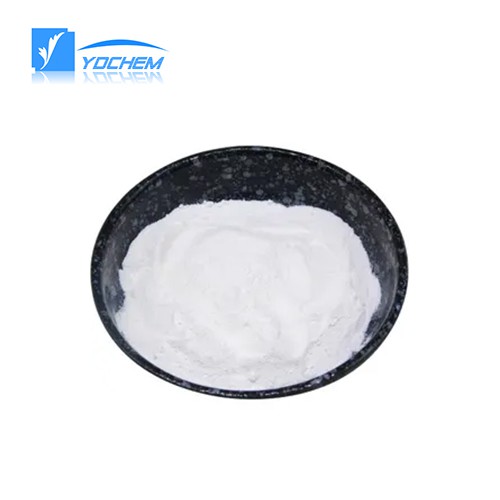
First off, let's get to know Guanidine Phosphate a bit. It's a white crystalline powder that's soluble in water. Chemically, it's a salt formed from guanidine and phosphoric acid. This compound has a wide range of applications, and one of the really cool ones is in the paint industry.
Improving Drying Time
One of the most significant ways Guanidine Phosphate boosts paint performance is by reducing the drying time. You know how annoying it is when you paint a room, and you have to wait forever for it to dry? Well, that's where Guanidine Phosphate comes in.
When added to paint formulations, it acts as a catalyst. A catalyst is like a little helper that speeds up chemical reactions without getting used up itself. In the case of paint, it speeds up the curing process. The curing process is when the paint changes from a liquid to a solid state. By accelerating this, the paint dries much faster.
This is a huge advantage for both professional painters and DIY enthusiasts. Professional painters can finish jobs quicker, which means they can take on more projects and make more money. DIYers can enjoy their newly painted rooms sooner. Plus, faster drying time also reduces the risk of dust and debris sticking to the wet paint.
Enhancing Adhesion
Another great thing about Guanidine Phosphate is that it improves the adhesion of paint to surfaces. Adhesion is how well the paint sticks to whatever you're painting. If the adhesion is poor, the paint can peel, chip, or flake off over time.
Guanidine Phosphate helps the paint molecules bond better with the surface. It does this by interacting with both the paint and the surface at a molecular level. For example, on metal surfaces, it can form a thin layer that helps the paint stick more firmly. This is especially important in industrial settings where metal structures need to be protected from corrosion.
In the case of wooden surfaces, it can penetrate the pores of the wood slightly, creating a better grip for the paint. This results in a more durable paint job that lasts longer and looks better.
Increasing Chemical Resistance
Paints are often exposed to various chemicals in different environments. For example, in a kitchen, paint on the walls might come into contact with grease, cleaning agents, and food spills. In an industrial setting, paint on machinery might be exposed to harsh chemicals like acids and solvents.
Guanidine Phosphate can enhance the chemical resistance of paint. It does this by modifying the structure of the paint film. The molecules in the paint form a more tightly packed and cross - linked structure when Guanidine Phosphate is present. This makes it harder for chemicals to penetrate the paint and cause damage.
As a result, the paint can withstand exposure to a wider range of chemicals without losing its color, gloss, or integrity. This is a huge benefit for applications where chemical resistance is crucial, such as in chemical plants, laboratories, and commercial kitchens.
Improving Fire Resistance
Fire safety is a major concern in many buildings and structures. Paints with good fire - resistant properties can help prevent the spread of fire and give people more time to evacuate in case of an emergency.
Guanidine Phosphate can contribute to the fire resistance of paints. When exposed to high temperatures, it decomposes and releases phosphoric acid. Phosphoric acid can react with the paint and the substrate to form a char layer. This char layer acts as a barrier between the fire and the underlying material, slowing down the spread of the fire.
This is especially important in applications where fire safety regulations are strict, such as in public buildings, hospitals, and schools.

Compatibility with Other Additives
In the paint industry, it's common to use multiple additives in a paint formulation to achieve different properties. The good news is that Guanidine Phosphate is highly compatible with many other additives.
For example, it can work well with Micropowder Dicyandiamide. Micropowder Dicyandiamide is often used as a curing agent in epoxy paints. When combined with Guanidine Phosphate, they can work together to improve the overall performance of the paint, such as enhancing the drying time and adhesion even further.
It's also compatible with Poly(hexamethylenebicyanoguanide - hexamethylenediamine) Hydrochloride. This compound is known for its antibacterial properties. When used in combination with Guanidine Phosphate in paint, you can get a paint that not only has good performance characteristics but also helps keep the painted surface clean and free from bacteria.
And let's not forget about Guanidine Thiocyanate 593 - 84 - 0. While it has its own unique applications, it can also co - exist with Guanidine Phosphate in a paint formulation without causing any negative interactions.
Cost - Effectiveness
From a cost perspective, using Guanidine Phosphate in paint formulations can be quite beneficial. Since it can improve multiple performance aspects of paint, you might be able to use less of other more expensive additives.
For example, if it can enhance the adhesion so well, you might not need to use as much of a special adhesion promoter. This can lead to cost savings in the long run. Also, because it can speed up the drying time, it can reduce labor costs for painters.
Conclusion
So, there you have it! Guanidine Phosphate is a real game - changer in the paint industry. It can improve drying time, enhance adhesion, increase chemical resistance, boost fire resistance, and is compatible with other additives. All these benefits make it a valuable ingredient in paint formulations.
If you're in the paint manufacturing business or just looking for ways to improve the performance of your paint projects, I'd highly recommend considering Guanidine Phosphate. We're a reliable supplier of high - quality Guanidine Phosphate, and we'd love to have a chat with you about how it can work for your specific needs. Whether you're a small - scale DIYer or a large - scale industrial paint manufacturer, we can provide the right quantity and quality of Guanidine Phosphate for you. Reach out to us to start a procurement discussion and see how we can help you take your paint to the next level.
References
- "Paint Additives: Chemistry and Technology" by Johan Bieleman.
- "The Chemistry of Paints and Coatings" by Charles R. Martens.
- Research papers on the application of guanidine compounds in the paint industry from various scientific journals.