




What factors affect the performance of Ow Sulfur Carburetant?
 Aug 21, 2025|
 When it comes to Ow Sulfur Carburetant, understanding the factors that affect its performance is crucial for both suppliers like me and end - users. As a supplier of Ow Sulfur Carburetant, I've witnessed firsthand how these factors can make a significant difference in the quality and efficiency of various metallurgical processes. In this blog, I'll delve into the key elements that influence the performance of Ow Sulfur Carburetant.
Chemical Composition
The chemical composition of Ow Sulfur Carburetant is the fundamental factor that determines its performance. Sulfur and carbon are the two main components, and their proportions play a vital role. The right balance of sulfur and carbon can enhance the fluidity and desulfurization ability of the molten metal. For example, an appropriate amount of sulfur can react with certain impurities in the metal, forming stable sulfides that can be easily removed from the molten metal.
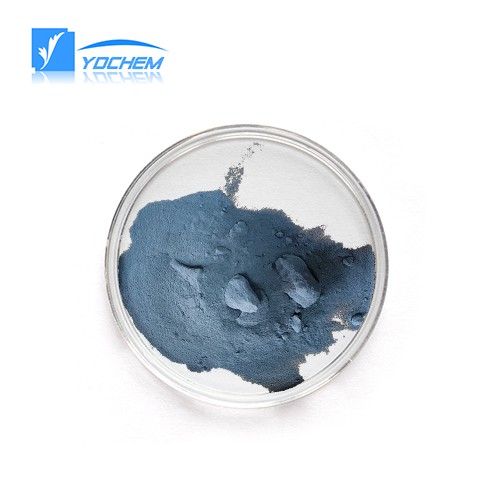

Carbon, on the other hand, acts as a reducing agent and a carburizing agent. It can increase the carbon content in the metal, improving its hardness and strength. If the carbon content in the Ow Sulfur Carburetant is too low, the carburizing effect may not be sufficient, resulting in a metal with lower - than - expected mechanical properties. Conversely, an excessive carbon content can lead to the formation of carbides, which may cause brittleness in the metal.
In addition to sulfur and carbon, other trace elements in the Ow Sulfur Carburetant can also affect its performance. Elements such as silicon, phosphorus, and manganese can interact with the main components and the molten metal. Silicon can improve the fluidity of the molten metal, but too much silicon may also increase the oxidation tendency. Phosphorus is generally considered an impurity in most metallurgical processes, as it can reduce the ductility and toughness of the metal. Manganese can enhance the hardenability of the metal, but its content needs to be carefully controlled to avoid negative impacts.
Particle Size and Distribution
The particle size and distribution of Ow Sulfur Carburetant have a direct impact on its dissolution rate and reaction efficiency in the molten metal. Smaller particles have a larger specific surface area, which means they can react more quickly with the molten metal. When the Ow Sulfur Carburetant is added to the molten metal, smaller particles can dissolve faster, ensuring a more uniform distribution of sulfur and carbon in the metal.
However, if the particle size is too small, it may cause problems such as dust generation during handling and transportation. Moreover, extremely fine particles may be more likely to float on the surface of the molten metal, reducing their contact with the metal and thus affecting the reaction efficiency. On the other hand, larger particles have a slower dissolution rate, which may lead to uneven distribution of sulfur and carbon in the metal.
A well - controlled particle size distribution is also important. A narrow particle size distribution ensures that most of the particles have similar reaction rates, resulting in a more consistent performance of the Ow Sulfur Carburetant. For example, in some high - precision metallurgical processes, a specific particle size range is required to achieve the desired results.
Purity
The purity of Ow Sulfur Carburetant is another critical factor. Impurities in the carburetant can have a negative impact on the quality of the final metal product. For instance, if the Ow Sulfur Carburetant contains a high level of moisture, it can cause splashing and oxidation when added to the molten metal. Moisture can also react with sulfur and carbon, reducing their effectiveness.
Other impurities such as non - metallic inclusions can act as stress concentrators in the metal, weakening its mechanical properties. These inclusions may also interfere with the normal solidification process of the metal, leading to defects such as porosity and cracks. Therefore, ensuring a high purity of Ow Sulfur Carburetant is essential for achieving high - quality metal products.
Storage and Handling Conditions
The way Ow Sulfur Carburetant is stored and handled can significantly affect its performance. During storage, the carburetant should be kept in a dry and well - ventilated environment. Exposure to moisture and air can cause oxidation and hydrolysis of the sulfur and carbon components, reducing their reactivity. For example, sulfur can react with oxygen in the air to form sulfur oxides, which not only reduces the sulfur content in the carburetant but also may release harmful gases.
In terms of handling, it is important to avoid contamination. The equipment used for handling Ow Sulfur Carburetant should be clean and free from other substances. Any foreign matter introduced during handling can become an impurity in the carburetant and affect its performance. Additionally, proper handling techniques should be employed to prevent damage to the particles, as damaged particles may have different reaction characteristics.
Compatibility with Molten Metal
The compatibility of Ow Sulfur Carburetant with the molten metal is a key consideration. Different types of metals have different chemical and physical properties, and the Ow Sulfur Carburetant needs to be able to react effectively with the specific molten metal. For example, in the case of steelmaking, the reaction between Ow Sulfur Carburetant and molten steel is different from that with cast iron.
The melting point and density of the molten metal also play a role. If the melting point of the Ow Sulfur Carburetant is too high compared to the molten metal, it may not dissolve completely, resulting in poor performance. Similarly, if the density difference between the carburetant and the molten metal is too large, the carburetant may float or sink too quickly, affecting its contact and reaction with the metal.
Comparison with Other Carburetants
It's also beneficial to compare Ow Sulfur Carburetant with other types of carburetants in the market. For example, OEM Calcium Cyanamide is another common carburetant. Calcium cyanamide has a different chemical composition and reaction mechanism compared to Ow Sulfur Carburetant. It can provide a source of nitrogen in addition to carbon, which may be beneficial in some specific metallurgical processes.
Coal Carburetant is a traditional carburetant. It is relatively inexpensive but may have a higher impurity content. The performance of coal carburetant can be affected by its coal source and processing method. Compared to Ow Sulfur Carburetant, coal carburetant may have a slower reaction rate and less precise control over the carbon and sulfur addition.
Activated Carbon Pellets are known for their high porosity and large specific surface area. They can react quickly with the molten metal, but their cost is generally higher. Ow Sulfur Carburetant offers a balance between cost and performance, with the ability to provide both sulfur and carbon in a controlled manner.
Conclusion
In conclusion, the performance of Ow Sulfur Carburetant is affected by multiple factors, including chemical composition, particle size and distribution, purity, storage and handling conditions, and compatibility with molten metal. As a supplier, I am committed to ensuring that our Ow Sulfur Carburetant meets the highest quality standards in all these aspects. By carefully controlling these factors, we can provide our customers with a product that can improve the quality and efficiency of their metallurgical processes.
If you are interested in purchasing Ow Sulfur Carburetant or have any questions about its performance and applications, I encourage you to contact me for a detailed discussion. I am always ready to assist you in finding the best solution for your specific needs.
References
- Smith, J. Metallurgical Principles and Carburetant Applications. New York: Metal Press, 2018.
- Johnson, A. The Impact of Carburetant Properties on Metal Quality. Journal of Metallurgy Research, 2020, 15(2): 34 - 45.
- Brown, C. Comparison of Different Carburetants in Steelmaking. Proceedings of the International Metallurgy Conference, 2019, 23 - 30.