




What are the safety measures for coal carburetant storage facilities?
 Aug 22, 2025|
 As a coal carburetant supplier, I understand the critical importance of safety measures for coal carburetant storage facilities. Coal carburetant is a vital material in various industries, especially in metallurgy. Ensuring its safe storage not only protects the product quality but also safeguards the environment and the well - being of workers. In this blog, I will discuss the essential safety measures that should be implemented in coal carburetant storage facilities.
Site Selection and Facility Design
The first step in ensuring safety is the proper selection of the storage site. The site should be located away from residential areas, water sources, and other sensitive areas. It should have good natural ventilation to prevent the accumulation of combustible gases and dust. For example, a storage facility built on a hilltop or an open area with consistent wind flow can significantly reduce the risk of gas and dust build - up.
The design of the storage facility also plays a crucial role. The building should be constructed with fire - resistant materials. Fire - rated walls, roofs, and floors can prevent the spread of fire in case of an accident. Additionally, the facility should have a proper drainage system to prevent water from accumulating inside. Water can not only damage the coal carburetant but also create a slippery surface, increasing the risk of falls for workers.
Storage Conditions
Maintaining the right storage conditions is essential for the safety of coal carburetant. Temperature and humidity control are key factors. Coal carburetant should be stored in a dry environment. High humidity can cause the carburetant to clump together, which may affect its quality and increase the risk of spontaneous combustion. A dehumidifier can be installed in the storage facility to keep the humidity at an appropriate level, usually below 60%.
The temperature inside the storage facility should also be monitored regularly. Elevated temperatures can accelerate the oxidation process of coal carburetant, leading to spontaneous combustion. Installing temperature sensors throughout the facility can help detect any abnormal temperature increases early. If the temperature rises above a certain threshold, appropriate cooling measures, such as ventilation or the use of cooling fans, should be taken immediately.
Fire Prevention and Control
Fire is one of the most significant risks in coal carburetant storage facilities. To prevent fires, strict no - smoking policies should be enforced within the facility and its vicinity. All electrical equipment used in the storage area should be explosion - proof. This includes lighting fixtures, switches, and motors. Faulty electrical equipment can generate sparks, which may ignite the combustible coal carburetant dust.
Adequate fire - fighting equipment should be readily available in the storage facility. Fire extinguishers, fire hydrants, and sprinkler systems should be installed and maintained regularly. Workers should be trained on how to use these fire - fighting tools effectively. In addition, a fire evacuation plan should be developed and communicated to all employees. Regular fire drills should be conducted to ensure that everyone knows what to do in case of a fire.
Dust Management
Coal carburetant dust is not only a fire hazard but also a health risk. Inhalation of coal dust can cause respiratory problems such as black lung disease. To manage dust, the storage facility should be equipped with dust collection systems. These systems can capture the dust generated during the loading, unloading, and storage processes.
Regular cleaning of the storage area is also necessary to prevent the accumulation of dust. Floors, walls, and equipment should be swept and wiped down frequently. Workers should wear appropriate personal protective equipment (PPE), such as dust masks and goggles, when working in areas with high dust levels.
Safety Training for Workers
All workers involved in the storage and handling of coal carburetant should receive comprehensive safety training. This training should cover topics such as the properties of coal carburetant, potential hazards, safety procedures, and the use of PPE. New employees should undergo a more in - depth training program, while existing employees should receive regular refresher courses.
Practical training sessions should be conducted to ensure that workers can apply the knowledge they have learned in real - life situations. For example, workers should be trained on how to handle spills safely and how to respond to emergencies such as fires or gas leaks.
Security and Access Control
To prevent unauthorized access to the coal carburetant storage facility, a security system should be in place. This can include fences, gates, and security cameras. Only authorized personnel should be allowed to enter the facility. Access can be controlled through the use of key cards or biometric systems.
Regular security patrols should be conducted to monitor the facility and detect any signs of tampering or unauthorized entry. In addition, inventory management systems should be used to keep track of the quantity of coal carburetant in storage. This can help detect any discrepancies, which may indicate theft or other security issues.
Emergency Response Planning
Despite all the preventive measures, emergencies can still occur. Therefore, an emergency response plan should be developed and updated regularly. This plan should outline the steps to be taken in case of a fire, explosion, spill, or other emergencies.
The plan should include contact information for emergency services such as the fire department, ambulance service, and environmental protection agencies. It should also specify the roles and responsibilities of each employee during an emergency. Regular emergency drills should be carried out to test the effectiveness of the plan and ensure that all employees are familiar with their roles.
Quality Control and Inspection
Regular quality control and inspection of the coal carburetant and the storage facility are essential for safety. The carburetant should be inspected for any signs of degradation or contamination. Samples can be taken periodically and tested in a laboratory to ensure that the product meets the required quality standards.
The storage facility should also be inspected regularly for structural integrity, electrical safety, and the functionality of safety equipment. Any defects or issues identified during the inspection should be addressed immediately to prevent accidents.

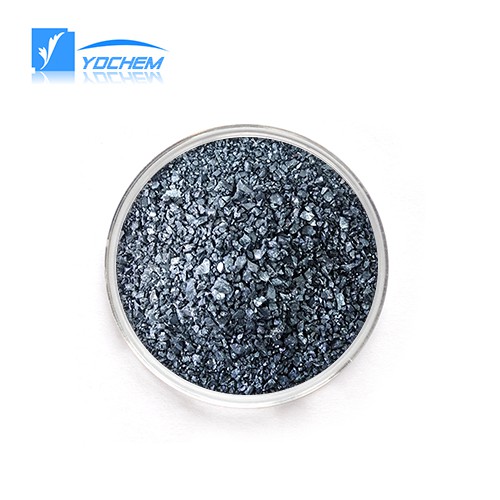
As a coal carburetant supplier, I am committed to providing high - quality products and ensuring the safety of our storage facilities. If you are interested in Coal Carburetant or other related products such as OEM Calcium Cyanamide and Carburetant, please feel free to contact us for procurement discussions. We can offer you reliable products and professional advice on storage and usage.
References
- National Fire Protection Association (NFPA). "NFPA 484: Standard for Combustible Metals." NFPA, 2020.
- Occupational Safety and Health Administration (OSHA). "Hazard Communication Standard." OSHA, 2012.
- American Society of Mechanical Engineers (ASME). "ASME B31.3: Process Piping." ASME, 2018.