




What crops can use OEM Calcium Cyanamide?
 Jan 05, 2026|
 As a supplier of OEM Calcium Cyanamide, I'm often asked about the various crops that can benefit from this remarkable agricultural input. In this blog post, I'll explore the different types of crops that can use OEM Calcium Cyanamide and the reasons behind its effectiveness.
What is OEM Calcium Cyanamide?
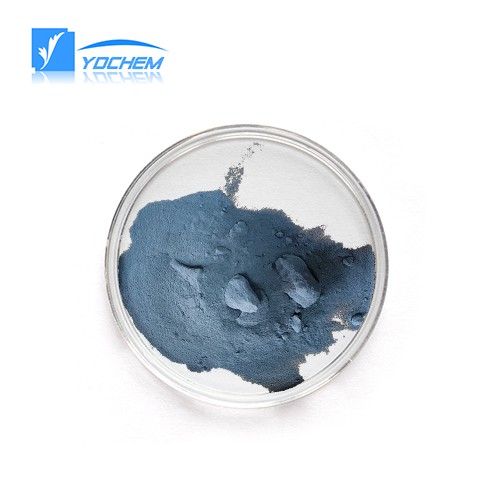
Before delving into the crops, let's briefly understand what OEM Calcium Cyanamide is. OEM Calcium Cyanamide is a nitrogenous fertilizer with unique properties. It is produced by heating calcium carbide with nitrogen at high temperatures. The chemical formula of calcium cyanamide is CaCN₂. It not only provides a slow - release source of nitrogen but also has other beneficial effects on soil and crops. You can find more information about OEM Calcium Cyanamide on our website.
Crops Suitable for OEM Calcium Cyanamide
1. Fruit Crops
- Apples: Apples are one of the most widely grown fruit crops. OEM Calcium Cyanamide can be beneficial for apple orchards in several ways. Firstly, the slow - release nitrogen helps in the healthy growth of the trees. It provides a steady supply of nutrients over an extended period, which is crucial for the development of strong branches, leaves, and roots. Secondly, calcium cyanamide can improve the soil structure around the apple trees. It can reduce soil acidity in some cases, creating a more favorable environment for root growth. Additionally, it has been reported to have some fungicidal properties, which can help in preventing certain soil - borne diseases that may affect apple trees.
- Grapes: In vineyards, OEM Calcium Cyanamide plays an important role. Grapes require a balanced supply of nutrients for optimal growth and fruit production. The nitrogen in calcium cyanamide promotes vigorous vegetative growth in the early stages of the grapevine's development. It also helps in the formation of high - quality grapes. The slow - release nature of nitrogen ensures that the vines do not experience excessive vegetative growth at the expense of fruit quality. Moreover, calcium cyanamide can enhance the resistance of grapevines to some pests and diseases, contributing to a healthier and more productive vineyard.
2. Vegetable Crops
- Tomatoes: Tomatoes are a popular vegetable crop. OEM Calcium Cyanamide can be used as a pre - planting fertilizer for tomato beds. The nitrogen it provides supports the growth of strong tomato plants. It helps in the development of large leaves, which are essential for photosynthesis. The calcium in calcium cyanamide can also contribute to the development of strong cell walls in tomato plants, making them more resistant to physical damage and diseases. Additionally, the soil - improving properties of calcium cyanamide can lead to better water and nutrient uptake by tomato roots.
- Lettuce: Lettuce is a leafy vegetable that requires a good supply of nitrogen for leaf growth. OEM Calcium Cyanamide is an ideal choice as it provides a slow and continuous supply of nitrogen. This ensures that the lettuce plants grow evenly and have a vibrant green color. The slow - release nitrogen also reduces the risk of over - fertilization, which can cause the lettuce to become bitter or have a poor texture.
3. Cereal Crops
- Wheat: Wheat is a major cereal crop worldwide. OEM Calcium Cyanamide can be used as a top - dressing fertilizer during the growth stages of wheat. The nitrogen helps in increasing the protein content of the wheat grains. It also promotes the growth of strong stems, which are important for preventing lodging (the bending or breaking of wheat plants). The slow - release nature of calcium cyanamide ensures that the wheat plants receive a consistent supply of nitrogen throughout their growth cycle, leading to higher yields.
- Rice: In paddy fields, OEM Calcium Cyanamide can be beneficial. It can be incorporated into the soil before transplanting rice seedlings. The nitrogen provided by calcium cyanamide supports the early growth of rice plants, helping them to establish a strong root system. It also contributes to the overall health and vigor of the rice crop, which can lead to better grain quality and higher yields.
How OEM Calcium Cyanamide Works on Crops
OEM Calcium Cyanamide works in multiple ways to benefit crops. When applied to the soil, it undergoes a series of chemical reactions. Firstly, it reacts with water in the soil to form calcium carbonate and cyanamide. The cyanamide then further hydrolyzes to form urea, which is a well - known nitrogen fertilizer. This slow - conversion process ensures a long - term supply of nitrogen to the crops.
In addition to providing nitrogen, calcium cyanamide can also have a direct impact on soil microorganisms. It can stimulate the activity of certain beneficial bacteria and fungi in the soil. These microorganisms play a crucial role in nutrient cycling, making other nutrients such as phosphorus and potassium more available to the crops.
Other Related Products
As a supplier, we also offer other related products. For example, Carborundum Diameter 60 Microns has various industrial applications, and Calcium Carbide for Acetylene Production is an important raw material in the production of acetylene gas.
Why Choose Our OEM Calcium Cyanamide
Our OEM Calcium Cyanamide is of high quality. We have strict quality control measures in place during the production process to ensure that the product meets the highest standards. We can also customize the product according to the specific requirements of our customers. Whether you need a certain particle size or a specific nitrogen content, we can work with you to provide the most suitable OEM Calcium Cyanamide.

Contact Us for Purchase and Negotiation
If you are interested in using OEM Calcium Cyanamide for your crops or have any questions about our products, we encourage you to contact us for purchase and negotiation. We are committed to providing you with the best products and services. We have a team of experts who can offer you professional advice on the application of OEM Calcium Cyanamide in your specific agricultural context.
References
- Brady, N. C., & Weil, R. R. (2008). The Nature and Properties of Soils. Pearson Prentice Hall.
- Mengel, K., & Kirkby, E. A. (2001). Principles of Plant Nutrition. Kluwer Academic Publishers.
- Marschner, H. (2012). Mineral Nutrition of Higher Plants. Academic Press.