




How does coal carburetant influence the quality of the final product in industrial processes?
 Jan 14, 2026|
 Hey there! As a supplier of Coal Carburetant, I've seen firsthand how this nifty little product can make a huge difference in industrial processes. Today, I'm gonna dive into how coal carburetant influences the quality of the final product in those industrial settings.
Let's start with the basics. What exactly is coal carburetant? Well, coal carburetant is a type of Carburetant that's derived from coal. It's used in a bunch of industrial processes, mainly in metallurgy, to add carbon to the mix. Carbon is a super important element in these processes, and coal carburetant is a cost - effective way to get it in there. You can learn more about it on our Coal Carburetant page.
One of the key industries where coal carburetant shines is in steelmaking. In steel production, the amount of carbon in the steel greatly affects its properties. Steel with a higher carbon content is harder and stronger, but it's also more brittle. On the other hand, steel with a lower carbon content is more ductile and malleable. By carefully controlling the addition of coal carburetant, steel manufacturers can tailor the carbon level in the steel to meet the specific requirements of the final product.
For example, if you're making car parts that need to be strong and able to withstand high - stress situations, you'll want to have a relatively high carbon content in the steel. Coal carburetant allows you to add that extra carbon precisely, which improves the strength and hardness of the parts. This means that cars can be safer and more durable on the road.
In foundry work, coal carburetant also plays a crucial role. When casting metal, the quality of the final casting depends on a lot of factors, including the carbon content in the molten metal. Using coal carburetant can help adjust the carbon content, which in turn affects the fluidity of the molten metal. A proper carbon level ensures that the molten metal flows smoothly into the mold, reducing the chances of defects like porosity and incomplete filling. This results in castings that are of higher quality, with fewer flaws and better mechanical properties.
Another aspect is the purity of the coal carburetant. The impurities in coal carburetant can have a significant impact on the quality of the final product. If the carburetant has too many impurities, it can introduce unwanted elements into the industrial process. For instance, sulfur and phosphorus are common impurities in coal. If they're present in high levels in the carburetant, they can cause problems in steelmaking. Sulfur can make the steel brittle at high temperatures, and phosphorus can reduce the steel's ductility.
As a supplier, we take great care to ensure the purity of our coal carburetant. We use advanced purification techniques to reduce the impurity levels as much as possible. This means that our customers can rely on our Coal Carburetant to provide consistent and high - quality results in their industrial processes.

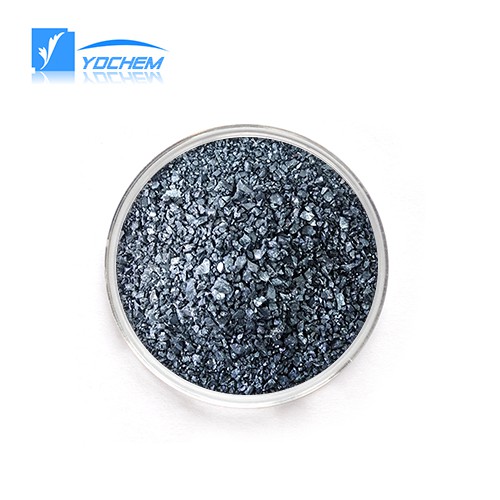
Now, let's talk about how coal carburetant compares to other types of carburetants. There are different options out there, like Calcium Carbide for Acetylene Production. While calcium carbide is useful in some specific applications, coal carburetant has its own advantages. Coal carburetant is generally more abundant and cost - effective. It's also easier to handle and store in many industrial settings.
In the aluminum industry, coal carburetant can be used to improve the quality of the aluminum alloy. By adding the right amount of carbon through coal carburetant, the alloy can have better mechanical properties, such as increased strength and hardness. This is important for applications where the aluminum needs to withstand heavy loads or harsh environments, like in aerospace and automotive components.
The particle size of the coal carburetant also matters. A finer particle size can lead to better dispersion in the molten metal or other industrial mixtures. This means that the carbon can be more evenly distributed, resulting in a more consistent quality of the final product. We offer coal carburetant in different particle sizes to meet the specific needs of our customers.
When it comes to the environmental aspect, we're also aware of the concerns. Coal carburetant, like any coal - based product, has the potential to release pollutants if not used properly. However, we're constantly working on improving our products and processes to minimize the environmental impact. For example, we're researching ways to reduce the emissions associated with the use of coal carburetant in industrial processes.
In summary, coal carburetant is a game - changer in many industrial processes. It allows manufacturers to control the carbon content in their products, which directly influences the quality, strength, and other important properties of the final output. Whether it's in steelmaking, foundry work, or the production of aluminum alloys, the right coal carburetant can make a world of difference.
If you're in the industrial sector and looking for a reliable source of high - quality coal carburetant, we'd love to hear from you. We can provide you with the right product for your specific needs and help you achieve the best results in your processes. Don't hesitate to reach out and start a conversation about your requirements. Let's work together to take your industrial production to the next level!
References
- Jones, R. (2020). "Industrial Metallurgy: A Comprehensive Guide". Metallurgy Press.
- Smith, A. (2019). "Carbon Additives in Industrial Processes". Chemical Industry Journal.