




What are the types of smelting furnaces in metallurgy?
 Dec 02, 2025|
 In the vast realm of metallurgy, smelting furnaces play a pivotal role in the extraction and refinement of metals from their ores. As a seasoned metallurgy supplier, I've witnessed firsthand the evolution and diversity of these essential pieces of equipment. In this blog post, I'll delve into the various types of smelting furnaces commonly used in the industry, shedding light on their unique features, applications, and advantages.
Blast Furnaces
Blast furnaces are perhaps the most well - known type of smelting furnace. They are primarily used for the production of pig iron from iron ore. The process involves charging a mixture of iron ore, coke (a form of carbon), and limestone into the top of the furnace. A blast of hot air is then introduced through tuyeres at the bottom of the furnace.
The coke burns in the presence of the hot air, producing carbon monoxide. This carbon monoxide then reacts with the iron ore, reducing it to iron. The limestone acts as a flux, helping to remove impurities such as silica from the ore. The molten iron and slag (a by - product of the smelting process) collect at the bottom of the furnace and are periodically tapped off.
Blast furnaces are large - scale industrial units, often standing several stories tall. They are highly efficient for mass - producing iron, making them a staple in the steelmaking industry. However, they require a significant amount of energy and raw materials, and the operation needs to be carefully controlled to ensure optimal performance. For those looking to enhance the carbon content in the iron produced, Carburetant can be a valuable addition to the smelting process.
Electric Arc Furnaces
Electric arc furnaces (EAFs) have gained popularity in recent decades, especially for recycling scrap metal. These furnaces use electric arcs to generate heat. Graphite electrodes are lowered into the furnace, and an electric current is passed through them, creating an arc between the electrodes and the metal charge.
The intense heat generated by the electric arc melts the metal. EAFs are more flexible than blast furnaces as they can be used to melt a variety of metals, including steel, stainless steel, and non - ferrous metals. They are also more environmentally friendly compared to blast furnaces since they can use recycled scrap metal as a primary feedstock, reducing the need for virgin ore extraction.
One of the key advantages of EAFs is their relatively short melting cycle. They can be quickly started and stopped, allowing for more precise control over the production process. Additionally, they produce less pollution compared to traditional blast furnaces. For OEM requirements related to certain metallurgical additives, OEM Calcium Cyanamide can be sourced from reliable suppliers to support the EAF smelting process.
Induction Furnaces
Induction furnaces operate on the principle of electromagnetic induction. An alternating current is passed through a coil surrounding a crucible containing the metal to be melted. This creates a magnetic field, which in turn induces eddy currents in the metal. The resistance of the metal to these eddy currents generates heat, melting the metal.
Induction furnaces are known for their high efficiency and rapid heating capabilities. They can achieve very high temperatures, making them suitable for melting a wide range of metals, including precious metals like gold and silver, as well as base metals such as copper and aluminum.
These furnaces offer excellent temperature control, which is crucial for achieving the desired metallurgical properties of the molten metal. They are also relatively clean, producing less dust and fumes compared to other types of furnaces. For applications where a specific abrasive material is needed in the metallurgical process, Carborundum Diameter 60 Microns can be used in combination with induction furnace operations.
Cupola Furnaces
Cupola furnaces are commonly used for melting cast iron. They are vertical, cylindrical furnaces that operate on a continuous basis. Similar to blast furnaces, cupola furnaces use coke as a fuel and a source of carbon. The charge, consisting of iron scrap, pig iron, and limestone, is fed into the top of the furnace, and air is blown in through tuyeres at the bottom.
The coke burns, heating the charge and melting the iron. The molten iron then collects at the bottom of the furnace and is tapped off. Cupola furnaces are relatively simple in design and are well - suited for small - to medium - scale foundries. They are cost - effective for producing cast iron components, but they do have some limitations in terms of energy efficiency and environmental impact.
Reverberatory Furnaces
Reverberatory furnaces are designed to heat the charge indirectly. The fuel is burned in a separate combustion chamber, and the hot gases are directed over the metal charge in the main chamber. This type of furnace is commonly used for smelting non - ferrous metals such as copper, lead, and zinc.
Reverberatory furnaces offer good control over the heating process and can handle large batches of metal. They are also suitable for melting scrap metal and can be used for refining operations. However, they are less energy - efficient compared to some of the other furnace types, and the heat transfer process is relatively slow.
Rotary Furnaces
Rotary furnaces are cylindrical furnaces that rotate around their axis. This rotation helps to ensure uniform heating of the charge. They are used for a variety of applications, including the smelting of ores, the roasting of minerals, and the heat treatment of metals.
Rotary furnaces can handle a wide range of feed materials and are particularly useful for processing materials that require a long residence time in the furnace. They offer good mixing and heat transfer characteristics, but they can be complex to operate and maintain.
Choosing the Right Smelting Furnace
Selecting the appropriate smelting furnace depends on several factors. The type of metal to be smelted is a primary consideration. For example, if you are dealing with large - scale iron production, a blast furnace may be the best choice. On the other hand, if you are focused on recycling scrap metal and producing steel, an electric arc furnace would be more suitable.
The scale of production also matters. Small - to medium - scale operations may find cupola furnaces or induction furnaces more cost - effective, while large - scale industrial facilities may opt for blast furnaces or large - capacity electric arc furnaces. Energy efficiency, environmental impact, and the availability of raw materials are other important factors to take into account.
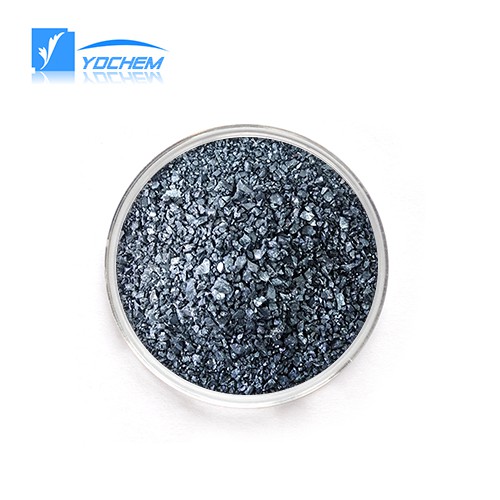

As a metallurgy supplier, I understand the importance of choosing the right equipment and materials for your smelting operations. Whether you need high - quality carburetants, OEM calcium cyanamide, or specific abrasive materials like carborundum, I can provide you with the products and expertise you need.
If you are in the market for smelting furnaces or related metallurgical products, I invite you to contact me to discuss your requirements. Our team of experts can assist you in selecting the most appropriate furnace and materials for your specific application, ensuring that you achieve the best results in your metallurgical processes.
References
- "Metallurgy: Principles and Applications" by R. S. Khurmi and J. K. Gupta
- "Handbook of Non - Ferrous Metal Powders: Technologies and Applications" by J. F. Walter
- "The Making, Shaping and Treating of Steel" by United States Steel Corporation