




What are the methods for analyzing the composition of coal carburetant?
 Jul 31, 2025|
 Hey there! As a coal carburetant supplier, I've had my fair share of experience in this industry. One of the most common questions I get asked is about the methods for analyzing the composition of coal carburetant. Well, I'm here to break it down for you in a simple and easy - to - understand way.
First off, let's talk about why analyzing the composition of coal carburetant is so important. The quality and performance of coal carburetant in various applications, like metallurgy, depend heavily on its composition. Different elements and compounds in the carburetant can affect things like the melting point, reactivity, and the overall efficiency of the processes where it's used. So, accurate analysis is key to ensuring that we're providing a high - quality product.
Proximate Analysis
One of the most basic methods is proximate analysis. This method helps us figure out the percentages of moisture, volatile matter, fixed carbon, and ash in the coal carburetant.
Moisture Content: Moisture can have a big impact on the carburetant's performance. Too much moisture can cause problems during the heating process, like spattering and inefficient combustion. To measure the moisture content, we take a sample of the carburetant and heat it at a low temperature (usually around 105 - 110°C) until the weight stops changing. The loss in weight is due to the evaporation of moisture, and we calculate the percentage based on the initial weight of the sample.
Volatile Matter: Volatile matter consists of the organic compounds in the carburetant that vaporize when heated in the absence of air. We heat the sample at a high temperature (around 900°C) for a specific period in a closed crucible. The loss in weight after this heating is the volatile matter content. It's an important parameter because volatile matter can affect the ignition characteristics and the amount of heat released during combustion.
Fixed Carbon: Fixed carbon is what's left after the volatile matter and moisture have been removed. We calculate it by subtracting the percentages of moisture, volatile matter, and ash from 100%. Fixed carbon is the main source of carbon in the carburetant, and a higher fixed - carbon content generally means better carburetion properties.
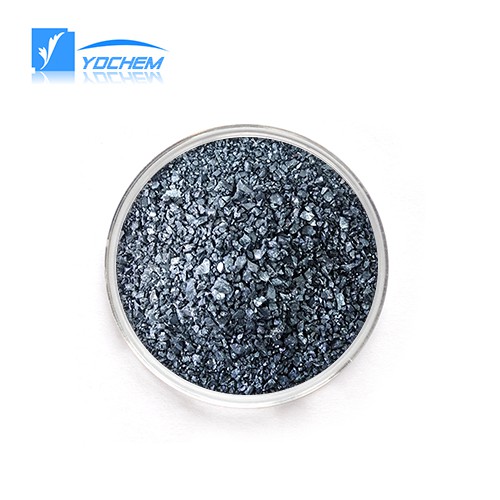

Ash Content: Ash is the inorganic residue left after the complete combustion of the carburetant. We burn the sample at a high temperature (around 815°C) in an open crucible until all the organic matter is burned off. The remaining weight is the ash content. High ash content can be a problem as it can reduce the efficiency of the carburetant and may cause slagging in some applications.
Ultimate Analysis
Ultimate analysis, on the other hand, focuses on determining the elemental composition of the coal carburetant. It gives us information about the percentages of carbon, hydrogen, nitrogen, sulfur, and oxygen.
Carbon and Hydrogen: To measure carbon and hydrogen, we burn the sample in a stream of oxygen. The carbon in the sample is converted to carbon dioxide, and the hydrogen is converted to water. We then collect and measure the amounts of carbon dioxide and water produced. By analyzing these amounts, we can calculate the percentages of carbon and hydrogen in the sample. Carbon is the most important element in coal carburetant as it provides the reducing power in metallurgical processes.
Nitrogen: The Kjeldahl method is commonly used to determine the nitrogen content. In this method, the sample is digested with sulfuric acid to convert the nitrogen into ammonium sulfate. Then, the ammonium sulfate is treated with an alkali to release ammonia, which is then collected and measured. Nitrogen in coal carburetant can have some negative effects, like the formation of nitrogen oxides during combustion.
Sulfur: There are a few different methods to measure sulfur content. One common method is the Eschka method. In this method, the sample is mixed with a mixture of magnesium oxide and sodium carbonate and then heated in a stream of oxygen. The sulfur in the sample is converted to sulfate, which is then measured. High sulfur content can be a major issue as it can cause environmental problems and corrosion in equipment.
Oxygen: Since it's difficult to directly measure oxygen, we usually calculate it by subtracting the percentages of carbon, hydrogen, nitrogen, sulfur, and ash from 100%.
Spectroscopic Analysis
Spectroscopic analysis is another powerful tool for analyzing the composition of coal carburetant.
X - ray Fluorescence (XRF): XRF is a non - destructive method that can quickly and accurately determine the elemental composition of the carburetant. It works by bombarding the sample with X - rays, which causes the atoms in the sample to emit characteristic X - rays. By analyzing the energies and intensities of these emitted X - rays, we can identify and quantify the elements present in the sample. XRF can detect a wide range of elements, from light elements like sodium to heavy elements like lead.
Infrared (IR) Spectroscopy: IR spectroscopy is used to identify the functional groups in the carburetant. Different functional groups absorb infrared radiation at specific wavelengths. By analyzing the absorption spectrum, we can get information about the types of organic compounds present in the sample. For example, we can detect the presence of carbon - hydrogen bonds, carbon - oxygen bonds, etc. This can give us insights into the chemical structure of the carburetant and how it might react in different processes.
Other Methods
There are also some other specialized methods for analyzing coal carburetant. For example, thermal gravimetric analysis (TGA) can be used to study the weight changes of the carburetant as it's heated at a controlled rate. This can provide information about the thermal stability and the decomposition behavior of the carburetant.
As a [Your Company's Position] at a coal carburetant supplier, I know how crucial it is to use these analysis methods accurately. We always make sure to conduct thorough analyses on our products to ensure that they meet the high - quality standards expected by our customers. Whether you're in the metallurgy industry or any other field that uses Carburetant, you can trust that our carburetant is of the best quality.
We also offer other related products like Carborundum Diameter 60 Microns and Calcium Carbide for Acetylene Production. These products are also carefully analyzed to ensure their performance and quality.
If you're interested in purchasing coal carburetant or any of our other products, I encourage you to reach out to us. We're always happy to have a chat about your specific needs and how our products can fit into your processes. Our team of experts can provide you with all the information you need and help you make the right choice. So, don't hesitate to contact us for any procurement - related discussions.
References
- ASTM International. (20XX). Standard test methods for proximate analysis of coal and coke. ASTM D3172 - XX.
- ASTM International. (20XX). Standard test methods for ultimate analysis of coal and coke. ASTM D3176 - XX.
- Davis, G. (20XX). Coal science and technology. Academic Press.