




How to select the appropriate coal carburetant for different industrial processes?
 Jul 30, 2025|
 Selecting the appropriate coal carburetant for different industrial processes is a crucial decision that can significantly impact the efficiency, quality, and cost of production. As a supplier of high - quality coal carburetants, I have witnessed firsthand the importance of making the right choice. In this blog, I will share some insights on how to choose the most suitable coal carburetant for various industrial applications.
Understanding Coal Carburetants
Before delving into the selection process, it's essential to understand what coal carburetants are. Coal carburetants are carbon - rich materials derived from coal and are used to increase the carbon content in metals during the smelting and refining processes. They play a vital role in adjusting the carbon content of alloys, improving the mechanical properties of metals, and enhancing the overall quality of the final products.
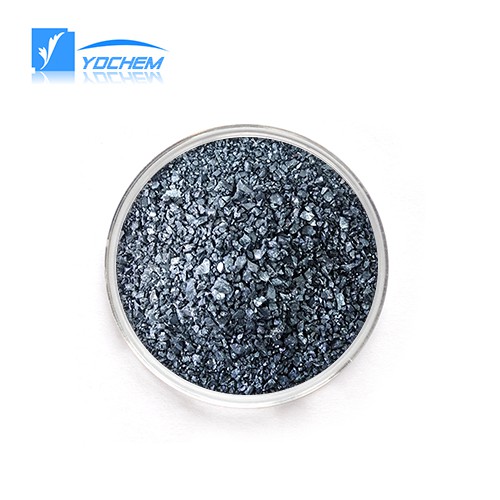
The Coal Carburetant we supply comes in different forms, including lump, granular, and powder. Each form has its own unique characteristics and is suitable for different industrial processes.
Factors to Consider When Selecting a Coal Carburetant
1. Carbon Content
The carbon content is one of the most important factors to consider when selecting a coal carburetant. Different industrial processes require different carbon levels in the metals. For example, in the steelmaking industry, the carbon content can significantly affect the strength, hardness, and ductility of the steel. High - carbon coal carburetants are typically used when a high carbon content is required, while low - carbon carburetants are suitable for applications where a lower carbon level is needed.
2. Ash Content
Ash is an impurity in coal carburetants. A high ash content can lead to increased slag formation during the smelting process, which can reduce the efficiency of the furnace, increase energy consumption, and affect the quality of the final product. Therefore, it is advisable to choose a coal carburetant with a low ash content. Our coal carburetants are carefully processed to ensure a low ash content, which helps our customers achieve better results in their industrial processes.
3. Volatile Matter
Volatile matter refers to the substances in the coal carburetant that are released as gases when heated. A high volatile matter content can cause rapid combustion and may lead to problems such as excessive heat generation, splashing, and uneven carbon distribution in the metal. On the other hand, a very low volatile matter content may result in slow combustion and difficulty in achieving the desired carbon addition rate. The optimal volatile matter content depends on the specific industrial process and the type of furnace used.
4. Particle Size
The particle size of the coal carburetant can also have a significant impact on its performance. Fine - grained carburetants tend to have a larger surface area, which allows for faster carbon dissolution in the metal. However, they may also be more prone to dust generation and loss during handling. Coarse - grained carburetants are less likely to generate dust but may dissolve more slowly. The choice of particle size should be based on the type of furnace, the stirring method, and the specific requirements of the industrial process.
Coal Carburetants for Different Industrial Processes
1. Steelmaking
Steelmaking is one of the most common industries that use coal carburetants. In basic oxygen furnaces (BOFs) and electric arc furnaces (EAFs), coal carburetants are added to adjust the carbon content of the molten steel. For BOFs, lump or granular coal carburetants are often preferred because they can be easily added to the furnace and have a relatively slow combustion rate, which helps in controlling the carbon addition process. In EAFs, both granular and powder carburetants can be used. Powder carburetants are sometimes injected directly into the molten steel to achieve a more rapid and uniform carbon addition.
2. Foundry Industry
In the foundry industry, coal carburetants are used to increase the carbon content in cast iron. The choice of carburetant depends on the type of casting process. For sand casting, granular carburetants are commonly used as they can be easily mixed with the charge materials. In precision casting, where a more uniform carbon distribution is required, fine - grained or powder carburetants may be more suitable. Our Carburetant products are well - suited for the foundry industry, offering consistent quality and performance.
3. Ferroalloy Production
Ferroalloy production involves the production of alloys such as ferromanganese, ferrosilicon, and ferrochrome. Coal carburetants are used to reduce the metal oxides and adjust the carbon content in these alloys. High - carbon coal carburetants are often used in ferroalloy production to achieve the desired alloy composition. The particle size and reactivity of the carburetant are important factors in ensuring efficient reduction reactions and high - quality alloy production.
The Role of Activated Carbon Pellets
In some industrial processes, Activated Carbon Pellets can also be used as a carburetant. Activated carbon pellets have a high surface area and porosity, which allows for rapid adsorption and reaction. They are often used in applications where a high - purity carbon source is required, such as in the production of specialty metals and high - performance alloys.

Quality Control and Certification
As a responsible coal carburetant supplier, we place great emphasis on quality control. Our products are tested regularly to ensure that they meet the highest industry standards. We also offer certification for our products, which provides our customers with the confidence that they are using a reliable and high - quality carburetant.
Conclusion
Selecting the appropriate coal carburetant for different industrial processes is a complex but essential task. By considering factors such as carbon content, ash content, volatile matter, and particle size, and understanding the specific requirements of each industrial process, you can make an informed decision. Our company is committed to providing high - quality coal carburetants that meet the diverse needs of our customers. If you are looking for a reliable coal carburetant supplier, we would be delighted to discuss your requirements and help you choose the most suitable product for your industrial process. Please feel free to contact us for more information and to start a procurement negotiation.
References
- Smith, J. (2018). Handbook of Metallurgical Processes. Wiley.
- Jones, A. (2019). Carbon Additives in Metal Production. Elsevier.
- Brown, R. (2020). Industrial Furnace Technology. CRC Press.