




What are the economic benefits of using coal carburetant?
 Jun 25, 2025|
 Hey there! As a coal carburetant supplier, I've had a front - row seat to see the economic benefits of using coal carburetant in various industries. In this blog, I'll break down these benefits and why you should consider adding coal carburetant to your operations.
Cost - effectiveness
One of the most significant economic benefits of using coal carburetant is its cost - effectiveness. Compared to some other types of carburetants, coal carburetant is relatively inexpensive. This is mainly because coal is a widely available natural resource. It's mined in large quantities around the world, which drives down the cost of production.
For industries that require large amounts of carburetant, such as steelmaking, the cost savings can be substantial. Steel manufacturers are constantly looking for ways to reduce their production costs without sacrificing quality. By using coal carburetant, they can achieve just that. Instead of shelling out a fortune on more expensive alternatives, they can get a reliable and cost - efficient option in coal carburetant.
Let's say you're running a small - to - medium - sized steel mill. Every penny counts when it comes to your bottom line. By switching to coal carburetant, you could potentially save thousands of dollars each year. This money can then be reinvested back into your business, whether it's for upgrading equipment, hiring more skilled workers, or expanding your production capacity.
High Carbon Content
Coal carburetant has a high carbon content, which is a huge plus for industries that need to increase the carbon levels in their materials. In the steel industry, for example, the carbon content in steel plays a crucial role in determining its strength and hardness. By adding coal carburetant during the steelmaking process, manufacturers can precisely control the carbon content of the steel.
This high carbon content also means that you need less coal carburetant to achieve the desired carbon levels compared to some other carburetants. So, not only are you getting a cost - effective option, but you're also using less of the product to get the same results. It's a win - win situation.
For instance, if you're producing high - strength steel for construction purposes, the ability to accurately adjust the carbon content using coal carburetant ensures that your steel meets the strict quality standards. This, in turn, can lead to higher - quality products, which can command better prices in the market. You can check out more about carburetants on our website Carburetant.
Energy Efficiency
Another economic benefit of using coal carburetant is its energy - efficiency. When coal carburetant is burned, it releases a large amount of energy. This energy can be used to heat up furnaces and other equipment in industrial processes. In many industries, a significant portion of the operating costs goes towards energy consumption.
By using coal carburetant as an energy source, industries can reduce their reliance on other, more expensive forms of energy. For example, in the foundry industry, where melting metals requires a lot of heat, coal carburetant can be used to fuel the furnaces. This not only reduces energy costs but also helps to improve the overall efficiency of the production process.
Let's take a look at a real - world example. A foundry that switched from using electricity to coal carburetant in its furnaces saw a significant reduction in its energy bills. The energy released by the coal carburetant was sufficient to melt the metals, and the cost of the coal carburetant was much lower than the cost of electricity. This allowed the foundry to increase its profit margins and become more competitive in the market.
Versatility
Coal carburetant is a very versatile product. It can be used in a wide range of industries, not just steelmaking and foundries. It's also used in the production of non - ferrous metals, such as aluminum and copper. In these industries, coal carburetant can be used to adjust the carbon content and improve the quality of the metals.
Moreover, coal carburetant can be used in different forms. It can be in the form of powder, granules, or briquettes, depending on the specific requirements of the industry. This versatility means that more industries can benefit from using coal carburetant, which in turn, expands the market for this product.
For example, in the aluminum industry, coal carburetant can be used to reduce the oxidation of aluminum during the melting process. This helps to improve the quality of the aluminum and reduce waste. And because coal carburetant comes in different forms, aluminum manufacturers can choose the form that best suits their production process.
Job Creation and Economic Growth
The coal carburetant industry also contributes to job creation and economic growth. From coal mining to the production and distribution of coal carburetant, there are many jobs involved in the entire supply chain. This includes jobs for miners, truck drivers, factory workers, and salespeople.
In regions where coal mining is a major industry, the production of coal carburetant can provide a boost to the local economy. It creates jobs, generates tax revenue, and supports other businesses in the area. For example, a coal - producing region that has a coal carburetant production facility can see an increase in the number of jobs and an improvement in the standard of living for its residents.
Complementary Products
As a coal carburetant supplier, we also offer some complementary products that can enhance the performance of coal carburetant. For example, OEM Calcium Cyanamide can be used in combination with coal carburetant in some industrial processes. It can help to improve the chemical reactions and increase the efficiency of the production process.
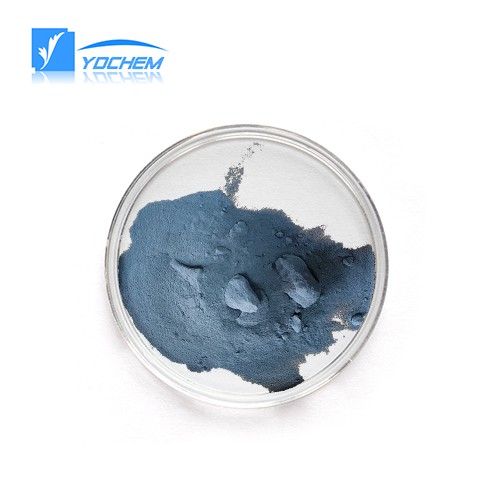

Another complementary product is Activated Carbon Pellets. These pellets can be used to remove impurities from the materials during the production process. By using these complementary products along with coal carburetant, industries can achieve even better results and improve their economic performance.
Conclusion
In conclusion, the economic benefits of using coal carburetant are numerous. From cost - effectiveness and high carbon content to energy efficiency and versatility, coal carburetant is a great option for industries looking to reduce costs and improve their production processes. The industry also plays an important role in job creation and economic growth.
If you're interested in learning more about coal carburetant or are considering using it in your operations, I'd love to have a chat with you. Feel free to reach out to me for more information and to start a procurement discussion. I'm confident that coal carburetant can bring significant economic benefits to your business.
References
- "Steelmaking and Refining Processes" by John Chipman
- "Industrial Carbon and Graphite Materials" by K. K. Kuo