




What are the differences between bituminous coal carburetant and anthracite coal carburetant?
 Jun 19, 2025|
 Hey there! As a coal carburetant supplier, I often get asked about the differences between bituminous coal carburetant and anthracite coal carburetant. So, I thought I'd put together this blog post to share my insights on the topic.
First off, let's talk about what coal carburetant is. Simply put, it's a material used to increase the carbon content in metals during the smelting process. It plays a crucial role in the metallurgical industry, helping to improve the quality and properties of the final metal products. You can learn more about carburetant on our website Carburetant.
Now, let's dive into the differences between bituminous coal carburetant and anthracite coal carburetant.
1. Composition
Bituminous coal is a type of coal that has a relatively high volatile matter content, usually ranging from 15% to 40%. It also contains a significant amount of moisture, typically around 2% to 15%. The carbon content of bituminous coal is generally in the range of 45% to 86%.
On the other hand, anthracite coal is a high - grade coal with a very low volatile matter content, usually less than 15%. It has a low moisture content, often below 5%. The carbon content of anthracite coal is quite high, usually above 86%, and can even reach up to 98% in some cases.
2. Physical Properties
Appearance
Bituminous coal is usually black and has a shiny, sometimes dull luster. It can be relatively soft and may break easily. Anthracite coal, however, is also black but has a very bright, almost metallic luster. It is much harder and denser than bituminous coal, which makes it more resistant to breakage.
Heat Value
The heat value of bituminous coal is relatively high, but it varies depending on its composition. Generally, it can produce around 24 - 35 megajoules per kilogram. Anthracite coal has an even higher heat value, typically ranging from 30 - 36 megajoules per kilogram. This means that anthracite can release more heat during combustion, which is an important factor in the smelting process.
3. Combustion Characteristics
Ignition
Bituminous coal is relatively easy to ignite because of its high volatile matter content. The volatile matter vaporizes quickly when heated, providing a combustible gas that helps in the ignition process. Anthracite coal, due to its low volatile matter content, is more difficult to ignite. It requires a higher temperature and more intense heat source to start burning.
Burning Rate
Once ignited, bituminous coal burns relatively fast. The high volatile matter burns off quickly, and the remaining carbon also burns at a decent rate. Anthracite coal burns more slowly because of its low volatile content. It has a more stable and sustained combustion process, which can be an advantage in some smelting operations where a slow - burning, long - lasting heat source is needed.
4. Application in Metallurgy
Steelmaking
In steelmaking, bituminous coal carburetant can be used to quickly increase the carbon content in the molten steel. Its relatively fast burning rate allows for a rapid adjustment of the carbon level. However, because of its high volatile matter and moisture content, it may also introduce some impurities into the steel, such as sulfur and phosphorus, which need to be carefully controlled.
Anthracite coal carburetant is often preferred when a high - quality, low - impurity steel is required. Its low volatile and moisture content means fewer impurities are introduced during the carburetion process. The slow and stable combustion of anthracite also helps in achieving a more precise control of the carbon addition.
Foundry
In foundry applications, bituminous coal carburetant can be used in some less - demanding casting processes. Its easy ignition and relatively fast burning rate can provide a quick heat boost. For more high - end foundry products, anthracite coal carburetant is a better choice. It can help to produce castings with a more uniform carbon distribution and fewer defects.
5. Cost and Availability
Bituminous coal is generally more widely available and less expensive than anthracite coal. This is because bituminous coal deposits are more common around the world. The lower cost of bituminous coal carburetant can be an attractive option for some industries with tight budgets.
Anthracite coal, being a high - grade coal, is less abundant and more expensive. However, for industries that require high - quality metal products, the additional cost may be justified by the improved quality and performance of the final products.

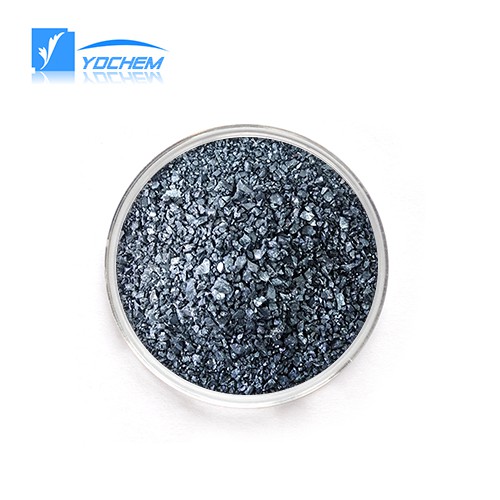
Other Related Products
In addition to coal carburetant, we also offer other related products. For example, OEM Calcium Cyanamide is a useful material in the metallurgical industry. It can be used as a nitrogen source and a desulfurizer in some steel - making processes. And Carborundum Diameter 60 Microns is often used as an abrasive and a refractory material in various industrial applications.
Conclusion
In conclusion, both bituminous coal carburetant and anthracite coal carburetant have their own unique characteristics and applications in the metallurgical industry. The choice between the two depends on various factors such as the specific requirements of the metal - making process, the quality of the final product, and the budget.
If you're in the market for coal carburetant or any of our other products, I'd love to hear from you. Whether you need more information, want to discuss your specific requirements, or are ready to place an order, feel free to reach out. We're here to provide you with the best products and services to meet your needs. Let's have a chat and see how we can work together to achieve your goals in the metallurgical field.
References
- Handbook of Coal Science and Technology
- Metallurgical Engineering Textbooks
- Industry Reports on Coal and Metallurgy