




What are the characteristics of ferrous metals in metallurgy?
 Jan 07, 2026|
 Ferrous metals play a crucial role in the field of metallurgy, and as a metallurgy supplier, I've had the opportunity to closely observe and work with these materials on a daily basis. So, what exactly are the characteristics of ferrous metals in metallurgy? Let's dive right in.
High Strength and Durability
One of the most prominent features of ferrous metals is their high strength. Metals like steel, which is an alloy primarily composed of iron and carbon, are incredibly strong. This strength makes them ideal for a wide range of applications, from building construction to manufacturing heavy machinery. For instance, in the construction of skyscrapers, steel beams are used to provide the necessary structural support. These beams can withstand enormous amounts of weight and pressure, ensuring the safety and stability of the building.
Durability is another key aspect. Ferrous metals are resistant to wear and tear, which means they can last for a long time even under harsh conditions. Tools made from ferrous metals, such as hammers and wrenches, retain their shape and functionality over countless uses. This durability not only saves money in the long run but also reduces the need for frequent replacements, making them a cost - effective choice for many industries.
Magnetic Properties
Ferrous metals are inherently magnetic. This property is extremely useful in various applications. In the electrical industry, for example, magnetic fields generated by ferrous metals are used in transformers, motors, and generators. Transformers rely on the magnetic properties of iron cores to transfer electrical energy efficiently from one circuit to another. Electric motors use magnetic forces to convert electrical energy into mechanical energy, enabling the operation of appliances, vehicles, and industrial equipment.
The magnetic nature of ferrous metals also simplifies the process of recycling. Recycling facilities can easily separate ferrous metals from non - ferrous ones using magnetic separators, which helps in the efficient recovery and reuse of these valuable materials.
Heat Resistance
Many ferrous metals exhibit excellent heat resistance. Stainless steel, a type of ferrous metal alloy containing chromium, nickel, and other elements, can withstand high temperatures without significant deformation or loss of strength. This property makes it suitable for use in applications where heat is a major factor, such as in the manufacturing of furnaces, heat exchangers, and exhaust systems.
In the automotive industry, engines generate a large amount of heat. The use of heat - resistant ferrous metals in engine components helps to ensure reliable performance and longevity. For example, the cylinder heads and pistons in high - performance engines are often made from materials like cast iron or steel alloys that can handle the extreme temperatures produced during combustion.
Alloying Ability
Ferrous metals have a remarkable ability to form alloys with other elements. By adding elements such as carbon, manganese, chromium, nickel, and others, the properties of ferrous metals can be tailored to meet specific requirements. For example, adding carbon to iron increases its hardness and strength, resulting in the formation of steel. Different carbon concentrations can lead to different types of steel, each with its own set of characteristics.
Low - carbon steel is relatively soft and ductile, making it easy to form and weld. It is commonly used in applications such as sheet metalwork and the production of car body panels. On the other hand, high - carbon steel is extremely hard and is used to make cutting tools and springs.
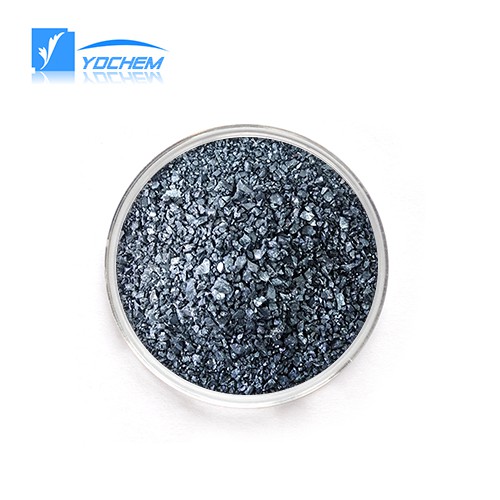

Alloying also allows for the improvement of corrosion resistance. Stainless steel is a prime example of an alloyed ferrous metal with enhanced corrosion resistance. The addition of chromium forms a thin, protective oxide layer on the surface of the steel, preventing rust and other forms of corrosion. This makes stainless steel suitable for applications in marine environments, food processing, and medical equipment.
Cost - Effectiveness
From a cost perspective, ferrous metals are often a very attractive option. Iron, the main component of ferrous metals, is one of the most abundant elements on Earth. This means that the raw materials for ferrous metals are relatively inexpensive compared to some non - ferrous metals like gold, silver, or platinum.
The cost - effectiveness of ferrous metals is further enhanced by their ease of production and processing. The well - established manufacturing techniques for ferrous metals, such as casting, forging, and machining, are highly efficient and can be carried out on a large scale. This results in lower production costs, which are ultimately passed on to consumers.
Availability of Related Products from Our Supply
As a metallurgy supplier, we offer a wide range of products related to ferrous metals. For example, we have Carburetant, which is an important additive in the production of ferrous metals. Carburetant helps to adjust the carbon content in steel, thereby influencing its properties such as hardness and strength.
We also provide Calcium Carbide for Acetylene Production. Although calcium carbide is not a ferrous metal itself, it has applications in the metallurgical industry. The acetylene gas produced from calcium carbide can be used for welding and cutting ferrous metals.
Another product we offer is Activated Carbon Pellets. Activated carbon pellets are used in the purification of ferrous metals. They can adsorb impurities and contaminants, improving the quality of the final metal product.
Contact Us for Procurement
If you're in the market for ferrous metals or any of the related products we offer, don't hesitate to reach out. We're here to provide you with high - quality materials and excellent customer service. Whether you need a small quantity for a research project or a large - scale supply for industrial production, we have the resources and expertise to meet your needs. Start a conversation with us and let's discuss your specific requirements.
References
- ASM Handbook Committee, "Metals Handbook: Properties and Selection: Irons, Steels, and High - Performance Alloys", ASM International, 1990.
- Metals and Alloys in the Unified Numbering System (UNS), SAE International and ASTM International, various editions.
- Jack B. Benjamin, S. L. Alamgir, "Introduction to Materials Science for Engineers", McGraw - Hill, 2009.