




What are the advantages of using Graphite Carburetant over other carburetants?
 Jan 01, 2026|
 In the realm of metallurgy, the choice of carburetant plays a pivotal role in determining the quality and efficiency of the steel - making process. As a supplier of graphite carburetant, I am well - versed in the numerous advantages it holds over other carburetants. In this blog, I will delve into the reasons why graphite carburetant is a superior choice for steel producers.
High Carbon Content and Purity
One of the most significant advantages of graphite carburetant is its high carbon content. Graphite typically contains over 90% carbon, with some high - grade products reaching up to 99%. This high carbon concentration allows for a more efficient and precise adjustment of the carbon content in molten steel. In contrast, other carburetants such as Coal Carburetant often have lower carbon contents and higher levels of impurities like sulfur, phosphorus, and volatile matter.
The purity of graphite carburetant is also a key factor. The low impurity levels mean that there is less risk of introducing unwanted elements into the steel, which can have detrimental effects on its mechanical properties. For example, sulfur can cause hot shortness in steel, making it brittle during hot working processes. Phosphorus can reduce the ductility and toughness of the steel. With graphite carburetant, steel producers can have better control over the quality of their final products.
High Reactivity
Graphite carburetant exhibits excellent reactivity in molten steel. The unique crystal structure of graphite allows for a rapid dissolution and diffusion of carbon atoms into the molten metal. This fast reaction rate means that the desired carbon content in the steel can be achieved more quickly, reducing the overall melting time and energy consumption in the steel - making process.
Compared to some other carburetants, such as calcium carbide, which is mainly used in Calcium Carbide for Acetylene Production, graphite carburetant does not require complex chemical reactions to release carbon. Calcium carbide needs to react with water to produce acetylene and then the carbon from acetylene can be used in the steel - making process. This additional step not only increases the complexity of the process but also requires careful handling due to the flammable nature of acetylene.
Low Ash Content
Another advantage of graphite carburetant is its low ash content. Ash is the non - combustible residue left after the carburetant is burned. High ash content in a carburetant can lead to several problems in the steel - making process. It can increase the slag volume, which in turn requires more energy to melt and remove the slag. Excessive slag can also cause issues with the lining of the furnace, reducing its lifespan.
Graphite carburetant has a very low ash content, usually less than 1%. This means that there is minimal formation of slag during the steel - making process, resulting in a cleaner and more efficient operation. In contrast, coal - based carburetants can have ash contents ranging from 10% to 30%, which can significantly impact the overall efficiency and cost - effectiveness of the steel - making process.
Consistent Quality
As a supplier, I understand the importance of consistent quality in the steel - making industry. Graphite carburetant offers a high degree of consistency in terms of its chemical composition and physical properties. This consistency allows steel producers to have more predictable results in their production processes.

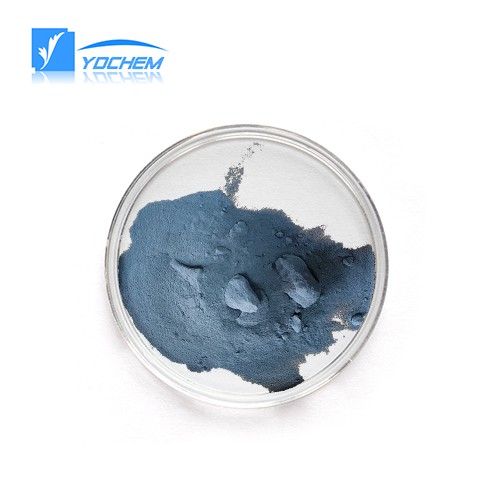
We use advanced manufacturing and quality control techniques to ensure that each batch of graphite carburetant meets the strictest standards. This is in contrast to some natural carburetants, such as coal, whose quality can vary depending on the source and mining location. The inconsistent quality of coal - based carburetants can lead to fluctuations in the carbon content and other properties of the steel, making it difficult to produce high - quality and uniform products.
Environmental Friendliness
In today's world, environmental considerations are becoming increasingly important in the industrial sector. Graphite carburetant is a relatively environmentally friendly option compared to some other carburetants. Its high carbon content and low impurity levels mean that it produces fewer emissions during the steel - making process.
The combustion of graphite carburetant releases less sulfur dioxide, nitrogen oxides, and particulate matter compared to coal - based carburetants. Additionally, the low ash content reduces the amount of solid waste generated during the process. This not only helps steel producers meet environmental regulations but also contributes to a more sustainable and green steel - making industry.
Cost - Effectiveness in the Long Run
Although the initial cost of graphite carburetant may be slightly higher than some other carburetants, it offers significant cost - savings in the long run. The high reactivity and low ash content of graphite carburetant lead to a more efficient steel - making process. The reduced melting time and energy consumption result in lower energy costs. The lower slag volume also means less wear and tear on the furnace lining, reducing maintenance and replacement costs.
Moreover, the consistent quality of graphite carburetant leads to fewer rejects and higher - quality steel products. This can increase the market value of the steel and reduce the overall production costs associated with reworking or scrapping defective products.
Application Flexibility
Graphite carburetant can be used in a wide range of steel - making processes, including electric arc furnaces, basic oxygen furnaces, and induction furnaces. Its versatility makes it a popular choice among steel producers with different production setups.
Whether it is for the production of high - carbon steels, low - carbon steels, or alloy steels, graphite carburetant can be easily adjusted to meet the specific carbon requirements of each type of steel. This flexibility allows steel producers to optimize their production processes and produce a variety of high - quality steel products.
In conclusion, the advantages of using graphite carburetant over other carburetants are numerous. Its high carbon content, purity, reactivity, low ash content, consistent quality, environmental friendliness, cost - effectiveness, and application flexibility make it an ideal choice for steel producers. If you are in the steel - making industry and are looking for a reliable and high - performance carburetant, I encourage you to consider graphite carburetant. We are committed to providing you with the best - quality graphite carburetant and excellent customer service. Contact us today to start a discussion about your specific needs and how our graphite carburetant can benefit your production process.
References
- "Handbook of Steelmaking", various authors, published by a leading metallurgy publishing house.
- Research papers on the comparison of different carburetants in steel - making, available in academic databases such as Elsevier and SpringerLink.
- Industry reports on the trends and developments in the steel - making and carburetant markets.