




How does Ow Sulfur Carburetant work in industrial processes?
 Nov 14, 2025|
 In the realm of industrial processes, the role of additives and agents is crucial for optimizing performance, enhancing efficiency, and achieving desired product qualities. Among these, Ow Sulfur Carburetant has emerged as a significant player, offering unique properties and benefits in various industrial applications. As a trusted supplier of Ow Sulfur Carburetant, I am excited to delve into how this remarkable substance works in industrial processes and the advantages it brings to the table.
Understanding Ow Sulfur Carburetant
Before exploring its working mechanism, it's essential to understand what Ow Sulfur Carburetant is. Ow Sulfur Carburetant is a specialized compound designed to introduce sulfur and carbon into industrial processes. Sulfur and carbon are two elements with distinct chemical properties that can have a profound impact on the characteristics of the final product.
Sulfur is known for its ability to improve the machinability of metals, enhance the fluidity of molten materials, and contribute to the formation of certain desirable phases in alloys. Carbon, on the other hand, is a fundamental element in many industrial processes, especially in the production of steel and other metals. It can increase the hardness, strength, and wear resistance of metals, as well as affect their microstructure and mechanical properties.
Working Mechanisms in Different Industrial Processes
Steelmaking
One of the primary applications of Ow Sulfur Carburetant is in steelmaking. In the steelmaking process, the addition of Ow Sulfur Carburetant serves multiple purposes.
Firstly, the carbon content in the carburetant helps to increase the carbon level in the molten steel. This is crucial because the carbon content significantly affects the properties of the final steel product. For example, higher carbon content generally leads to increased hardness and strength but may also reduce ductility. By carefully controlling the amount of Ow Sulfur Carburetant added, steelmakers can precisely adjust the carbon content to meet the specific requirements of different steel grades.
Secondly, the sulfur in the carburetant can improve the machinability of the steel. Sulfur forms sulfide inclusions in the steel matrix, which act as chip breakers during machining operations. This reduces the cutting forces, improves the surface finish of the machined parts, and increases the tool life. As a result, the overall machining efficiency and productivity are enhanced.
In the basic oxygen furnace (BOF) steelmaking process, Ow Sulfur Carburetant is typically added during the refining stage. The high - temperature environment of the furnace allows for rapid dissolution of the carburetant in the molten steel. The carbon reacts with the oxygen present in the steel to form carbon monoxide and carbon dioxide, which are then removed from the melt. This process not only adjusts the carbon content but also helps to remove impurities such as phosphorus and sulfur (in a controlled manner) through oxidation reactions.
In electric arc furnace (EAF) steelmaking, Ow Sulfur Carburetant is added to the scrap metal charge or during the melting process. The carbon in the carburetant helps to reduce the iron oxide in the scrap, improving the yield of the steelmaking process. Additionally, the sulfur can enhance the fluidity of the molten steel, making it easier to pour and cast into different shapes.
Foundry Applications
In foundry operations, Ow Sulfur Carburetant is used to improve the quality of castings. When added to the molten metal, the carbon in the carburetant can promote graphitization in cast iron. Graphitization is the process by which carbon in the iron forms graphite flakes or nodules. This is important because graphite has lubricating properties, which can improve the machinability of the cast iron. Moreover, the presence of graphite can also enhance the damping capacity of the cast iron, making it suitable for applications where vibration absorption is required, such as in machine tool beds.
The sulfur in Ow Sulfur Carburetant can also have a positive effect on the castability of the molten metal. It can reduce the surface tension of the molten metal, allowing it to flow more easily into the mold cavities. This results in better filling of the mold and fewer casting defects such as porosity and shrinkage.
Other Metal Alloys
Ow Sulfur Carburetant can also be used in the production of other metal alloys. For example, in the production of copper - based alloys, the addition of carbon can improve the strength and hardness of the alloy. Sulfur can enhance the corrosion resistance of the alloy by forming a protective sulfide layer on the surface.
In the production of nickel - based alloys, the carbon and sulfur in Ow Sulfur Carburetant can influence the microstructure and mechanical properties of the alloy. The carbon can form carbides, which strengthen the alloy, while the sulfur can improve the hot workability of the alloy by reducing the tendency for cracking during deformation processes.
Advantages of Using Ow Sulfur Carburetant
Cost - Effectiveness
Compared to other carbureting agents, Ow Sulfur Carburetant offers a cost - effective solution. It can provide both sulfur and carbon in a single additive, reducing the need for multiple additives. This simplifies the process control and reduces the overall cost of the industrial process.
Precise Control
As a supplier, we can provide Ow Sulfur Carburetant with different compositions and particle sizes. This allows industrial users to precisely control the amount of sulfur and carbon added to their processes. By adjusting the dosage of the carburetant, they can fine - tune the properties of the final product to meet specific quality standards.
Improved Product Quality
The use of Ow Sulfur Carburetant can lead to significant improvements in product quality. In steelmaking, it can result in better - machined steel products with improved mechanical properties. In foundry applications, it can reduce casting defects and improve the performance of castings. In other metal alloy production, it can enhance the corrosion resistance, strength, and workability of the alloys.
Comparison with Other Carburetants
When compared to Carburetant such as Coal Carburetant and Calcium Carbide for Acetylene Production, Ow Sulfur Carburetant has several advantages.

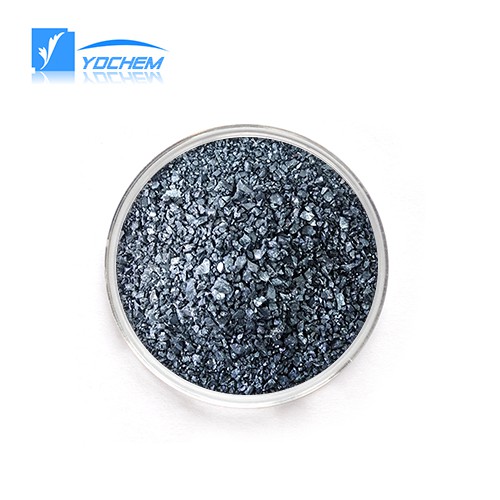
Coal carburetant is a common source of carbon in industrial processes. However, it often contains impurities such as ash, sulfur (in an uncontrolled amount), and volatile matter. These impurities can have a negative impact on the quality of the final product. Ow Sulfur Carburetant, on the other hand, can be formulated with a precise amount of sulfur and carbon, and with a low impurity content. This makes it a more reliable and consistent additive for industrial applications.
Calcium carbide is mainly used for acetylene production, but it can also be used as a carbureting agent in some cases. However, calcium carbide is highly reactive and can cause safety issues if not handled properly. It also has a high cost compared to Ow Sulfur Carburetant. Ow Sulfur Carburetant is relatively stable and easy to handle, making it a safer and more economical choice for many industrial users.
Conclusion and Call to Action
In conclusion, Ow Sulfur Carburetant plays a vital role in various industrial processes by introducing sulfur and carbon in a controlled and effective manner. Its unique working mechanisms in steelmaking, foundry applications, and other metal alloy production processes offer numerous benefits, including improved product quality, cost - effectiveness, and precise control.
If you are looking for a reliable and high - quality Ow Sulfur Carburetant for your industrial processes, we are here to assist you. Our company is a leading supplier of Ow Sulfur Carburetant, offering a wide range of products to meet your specific needs. We have a team of experts who can provide technical support and guidance on the optimal use of our carburetant in your operations. Whether you are a small - scale foundry or a large - scale steelmaking plant, we can provide you with the right solution. Contact us today to start a discussion about how Ow Sulfur Carburetant can enhance your industrial processes and improve your product quality.
References
- "Steelmaking and Refining Processes" by G. Krauss
- "Foundry Technology Handbook" by P. C. P. Wohlfahrt
- "Metal Alloys: Properties and Applications" by J. F. Shackelford