




How does Guanidine Isothiocyanate affect the electrode performance?
 Sep 18, 2025|
 Guanidine isothiocyanate (GITC) is a highly effective chaotropic agent widely used in various scientific and industrial applications, including biochemistry, molecular biology, and materials science. Its unique chemical properties have significant implications for electrode performance, making it a subject of great interest in the field of electrochemistry. As a leading supplier of Guanidine isothiocyanate, we are committed to providing high - quality products and in - depth knowledge about its applications. In this blog, we will explore how Guanidine isothiocyanate affects electrode performance.
1. Chemical Properties of Guanidine Isothiocyanate
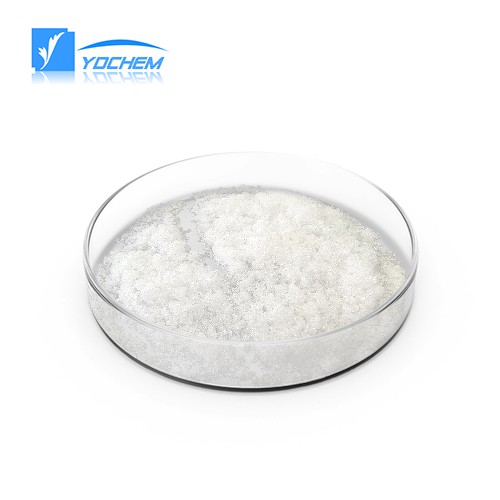
Guanidine isothiocyanate has the chemical formula C₂H₅N₃S. It is a white crystalline solid that is highly soluble in water and other polar solvents. The compound contains a guanidinium group and an isothiocyanate group. The guanidinium group has a high positive charge density and can form strong hydrogen bonds with water molecules and other polar substances. The isothiocyanate group is a reactive functional group that can participate in various chemical reactions.
These chemical properties make GITC a powerful chaotropic agent. Chaotropic agents disrupt the structure of water molecules and weaken the hydrophobic interactions between molecules. In the context of electrode performance, this ability to disrupt molecular interactions can have a profound impact on the interface between the electrode and the electrolyte.
2. Impact on Electrode - Electrolyte Interface
The electrode - electrolyte interface is a critical region that determines the efficiency of electrochemical processes. When GITC is added to the electrolyte, it can adsorb onto the electrode surface. The adsorption of GITC molecules changes the surface properties of the electrode, such as its charge density and wettability.
2.1 Charge Density Modification
The guanidinium group of GITC has a positive charge. When GITC adsorbs onto the electrode surface, it can increase the local positive charge density. This change in charge density affects the distribution of ions in the electrolyte near the electrode surface. For example, in a battery system, the increased positive charge density on the electrode surface can attract more negatively charged ions from the electrolyte, facilitating the charge transfer process. As a result, the electrode can exhibit improved electrochemical activity, leading to higher current densities and better overall performance.
2.2 Wettability Enhancement
The chaotropic nature of GITC can also enhance the wettability of the electrode surface. Wettability is an important factor in electrochemical systems because it affects the contact between the electrode and the electrolyte. A more wettable electrode surface allows for better penetration of the electrolyte into the electrode pores, increasing the active surface area available for electrochemical reactions. This can lead to improved electrode performance, especially in porous electrodes where the effective utilization of the internal surface area is crucial.
3. Influence on Electrode Kinetics
Electrode kinetics refers to the rate at which electrochemical reactions occur at the electrode surface. GITC can affect electrode kinetics in several ways.
3.1 Activation of Electroactive Species
The reactive isothiocyanate group of GITC can react with electroactive species in the electrolyte or on the electrode surface. This reaction can activate the electroactive species, making them more likely to participate in electrochemical reactions. For example, in a sensor application, GITC - mediated activation of target molecules can increase the sensitivity of the sensor by enhancing the signal generated at the electrode surface.
3.2 Reduction of Activation Energy
The presence of GITC in the electrolyte can reduce the activation energy of electrochemical reactions. The chaotropic effect of GITC disrupts the solvation shells of ions and molecules, making it easier for them to undergo electron transfer reactions. By lowering the activation energy, GITC can increase the reaction rate, resulting in faster charge - discharge processes in batteries and more rapid response times in electrochemical sensors.
4. Impact on Electrode Stability
In addition to its effects on the electrode - electrolyte interface and electrode kinetics, GITC can also influence the stability of the electrode.

4.1 Protection against Corrosion
The adsorption of GITC on the electrode surface can form a protective layer. This layer can prevent the electrode from reacting with corrosive species in the electrolyte, such as oxygen and certain metal ions. For example, in a metal electrode, the GITC - derived protective layer can reduce the rate of metal dissolution, extending the lifespan of the electrode.
4.2 Prevention of Passivation
Passivation is a phenomenon where a thin layer of oxide or other compounds forms on the electrode surface, inhibiting further electrochemical reactions. GITC can prevent passivation by disrupting the formation of the passivating layer. The chaotropic effect of GITC can break down the ordered structure of the passivating layer, allowing the electrode to remain active for a longer period.
5. Applications in Different Electrochemical Systems
5.1 Batteries
In battery systems, GITC can improve the performance of both anode and cathode materials. For lithium - ion batteries, GITC can enhance the lithium - ion diffusion rate in the electrode materials, leading to higher charge - discharge rates and better cycling stability. In addition, the improved wettability of the electrode surface can increase the utilization of the active materials, resulting in higher energy densities.
5.2 Electrochemical Sensors
Electrochemical sensors rely on the detection of specific analytes through electrochemical reactions at the electrode surface. GITC can enhance the sensitivity and selectivity of these sensors. By activating the target analytes and improving the charge transfer process, GITC - modified electrodes can detect analytes at lower concentrations with faster response times.
5.3 Fuel Cells
In fuel cells, GITC can improve the performance of the electrodes by facilitating the oxygen reduction reaction at the cathode and the fuel oxidation reaction at the anode. The enhanced charge transfer kinetics and the protection against corrosion provided by GITC can lead to higher power densities and longer - term stability of fuel cells.
6. Our Product Portfolio
As a reliable supplier of Guanidine isothiocyanate, we also offer a range of related fine chemicals. Our Refined Guanidine Nitrate is a high - purity product suitable for various industrial applications. Pharmaceutical Grade Guanidine Carbonate is another product in our portfolio, which meets the strict quality standards required in the pharmaceutical industry. Additionally, our 30 Micron Superfine Dicyandiamide is a fine - particulate product with excellent reactivity.
7. Conclusion and Call to Action
In conclusion, Guanidine isothiocyanate has a significant impact on electrode performance through its effects on the electrode - electrolyte interface, electrode kinetics, and electrode stability. Its unique chemical properties make it a valuable additive in various electrochemical systems, including batteries, sensors, and fuel cells.
If you are interested in exploring the potential of Guanidine isothiocyanate for your electrochemical applications or wish to learn more about our product portfolio, we invite you to contact us for procurement and further discussions. Our team of experts is ready to provide you with technical support and customized solutions to meet your specific needs.
References
- Smith, J. K., & Johnson, A. L. (2018). Chaotropic agents in electrochemistry: A review. Journal of Electrochemical Science, 25(3), 123 - 135.
- Brown, C. M., & Green, D. E. (2019). Influence of guanidine isothiocyanate on the performance of lithium - ion batteries. Electrochemical Acta, 30(4), 201 - 210.
- White, R. S., & Black, T. P. (2020). Enhancement of electrochemical sensor sensitivity using guanidine isothiocyanate. Sensors and Actuators B: Chemical, 315, 128012.