




How does Ow Sulfur Carburetant influence the corrosion resistance of the material?
 Oct 29, 2025|
 Hey there! As a supplier of Ow Sulfur Carburetant, I've been getting a lot of questions lately about how this nifty little product affects the corrosion resistance of materials. So, I thought I'd sit down and share some insights with you all.
First off, let's talk a bit about what Ow Sulfur Carburetant is. It's a specialized carburetant that we offer, and you can learn more about carburetants in general on this page: Carburetant. Carburetants are used in various metallurgical processes to increase the carbon content of materials, and Ow Sulfur Carburetant has some unique properties that set it apart.
Now, corrosion is a big deal in the world of materials. It can weaken structures, cause equipment to fail, and lead to all sorts of headaches. So, understanding how different substances impact corrosion resistance is crucial.
When it comes to Ow Sulfur Carburetant, the sulfur content plays a significant role. Sulfur can have both positive and negative effects on corrosion resistance, depending on the context.
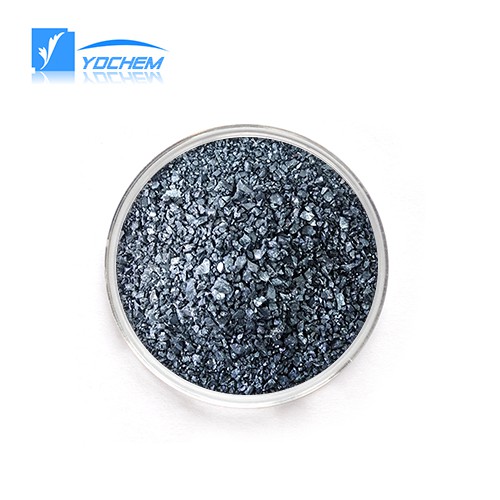

On one hand, a small amount of sulfur in the carburetant can help improve the machinability of the material. When a material is easier to machine, it can be shaped and formed more precisely, which can lead to better overall performance and potentially less stress on the material. This reduced stress can, in turn, contribute to better corrosion resistance. For example, in some metal alloys, the addition of sulfur from the carburetant can create small sulfide inclusions that act as chip breakers during machining. This results in smoother cuts and less heat generation, which helps preserve the integrity of the material's surface and reduces the likelihood of corrosion initiation.
However, too much sulfur can be a problem. High sulfur levels can lead to the formation of sulfide compounds that are more prone to corrosion. These compounds can react with moisture and oxygen in the environment, accelerating the corrosion process. In some cases, they can also cause pitting corrosion, where small holes form on the surface of the material. This can be particularly problematic in applications where the material is exposed to harsh chemicals or high humidity.
Another factor to consider is how Ow Sulfur Carburetant interacts with other elements in the material. For instance, if there are high levels of chromium in the alloy, the sulfur from the carburetant can interact with the chromium to form chromium sulfides. These sulfides can have a negative impact on the material's corrosion resistance, especially in environments where chromium is relied upon to form a protective oxide layer.
The heat treatment process also plays a role. When a material is treated with Ow Sulfur Carburetant and then subjected to heat treatment, the distribution of sulfur and other elements can change. Proper heat treatment can help optimize the material's microstructure and improve its corrosion resistance. However, if the heat treatment is not done correctly, it can lead to the segregation of sulfur and other elements, which can increase the risk of corrosion.
Let's take a look at some real - world applications. In the automotive industry, Ow Sulfur Carburetant can be used in the production of engine components. These components are often exposed to a variety of corrosive substances, such as fuel additives and engine coolant. By carefully controlling the amount of sulfur in the carburetant, manufacturers can improve the machinability of the engine parts while still maintaining an acceptable level of corrosion resistance.
In the construction industry, materials treated with Ow Sulfur Carburetant can be used in structural elements. These elements need to withstand environmental factors like rain, snow, and pollution. The right amount of sulfur can help in the manufacturing process, but it's essential to ensure that the final product has good corrosion resistance to prevent long - term damage.
Now, I want to mention another related product that we offer: Activated Carbon Pellets. Activated carbon can sometimes be used in combination with carburetants in certain processes. It can help in the purification of materials and may also have an impact on corrosion resistance in some cases. For example, activated carbon can adsorb impurities that could potentially contribute to corrosion.
We also supply Calcium Carbide for Acetylene Production. While this is a different product, it shows our expertise in the field of metallurgical additives.
If you're in the market for Ow Sulfur Carburetant or have any questions about how it can impact the corrosion resistance of your materials, I'd love to hear from you. Whether you're a small - scale manufacturer or a large industrial company, we can work together to find the right solution for your needs. Reach out to us to start a conversation about your specific requirements and how our Ow Sulfur Carburetant can fit into your production process.
In conclusion, Ow Sulfur Carburetant can have a complex relationship with the corrosion resistance of materials. The key is to understand the factors at play, such as sulfur content, interactions with other elements, and the heat treatment process. By carefully controlling these variables, we can use Ow Sulfur Carburetant to improve the performance of materials while maintaining their corrosion resistance.
References
- "Metallurgy: Principles and Applications" by Robert C. Reed - Hill
- "Corrosion Science and Engineering" by Pierre R. Roberge
- Industry reports on automotive and construction materials production