




How can the environmental impacts of metallurgy be reduced?
 Jun 23, 2025|
 Hey there! I'm a supplier in the metallurgy industry, and I've seen firsthand the environmental challenges we face. In this blog, I'm gonna share some practical ways to cut down on the environmental impacts of metallurgy.
First off, let's talk about energy consumption. Metallurgy is a real energy - hog. Most of the energy comes from non - renewable sources like coal and natural gas, which release a ton of greenhouse gases. One way to deal with this is by investing in renewable energy. Solar panels can be installed on the rooftops of our metallurgy plants. They're getting cheaper and more efficient these days. Wind turbines are another great option, especially if your plant is located in a windy area. By using renewable energy, we can significantly reduce our carbon footprint.
Recycling is also a game - changer. Instead of always mining new ores, we can recycle scrap metals. It takes way less energy to recycle metals than to extract them from ores. For example, recycling aluminum uses about 95% less energy than producing new aluminum from bauxite ore. We should encourage our customers to return their scrap metals to us. As a supplier, I can set up a collection system to make it easier for them. And we can offer some incentives, like a small discount on their next purchase if they bring in a certain amount of scrap.
When it comes to the materials we use, we need to be more careful. Some traditional materials in metallurgy can have a big environmental impact. Take Carburetant for example. It's widely used, but the production process can be quite polluting. We should look for more eco - friendly alternatives. There are new types of carburetants on the market that are made from recycled or sustainable materials. These alternatives not only reduce environmental harm but can also sometimes improve the quality of the final metal product.
Another important aspect is waste management. Metallurgy generates a lot of waste, such as slag and dust. Slag can be a valuable by - product if we manage it properly. It can be used in the construction industry, for example, as an ingredient in concrete. This not only reduces waste but also saves on the extraction of new raw materials for construction. Dust, on the other hand, can be a health hazard and a source of air pollution. We need to install efficient dust collection systems in our plants. These systems can capture the dust before it's released into the air and then we can find ways to reuse or dispose of it safely.
Water is also a crucial resource in metallurgy. The industry uses a large amount of water for cooling and other processes. But often, this water is polluted with heavy metals and other contaminants. We should implement water treatment systems to clean the water before we discharge it. And we can also recycle the water within the plant. For instance, after using water for cooling, we can treat it and use it again for other non - critical processes. This reduces our water consumption and the impact on local water sources.
Now, let's look at some of the products we offer. Activated Carbon Pellets can play a big role in reducing environmental impacts. They can be used to adsorb pollutants in the air and water. In our plants, we can use them in the air filtration systems to remove harmful gases and in the water treatment systems to remove contaminants. They're a natural and effective way to clean up the environment around our operations.

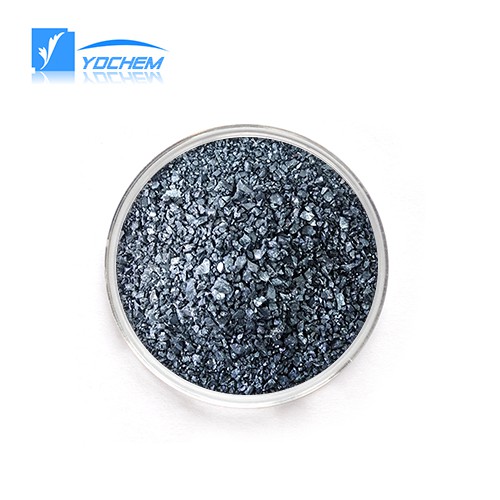
Carborundum Diameter 60 Microns is another product that has its place in sustainable metallurgy. It's a hard and durable material that can be used in high - temperature applications. By using it in our processes, we can improve the efficiency of our equipment and reduce the need for frequent replacements. This means less waste and less energy used in manufacturing new parts.
As a supplier, I'm committed to promoting these sustainable practices. I believe that by working together with our customers, we can make a big difference. We can reduce the environmental impacts of metallurgy and still meet the demand for high - quality metal products.
If you're interested in learning more about our eco - friendly products and how we can help you reduce your environmental footprint in your metallurgy operations, I'd love to have a chat. Whether you're a small workshop or a large manufacturing plant, we can find solutions that work for you. Reach out to us and let's start this journey towards a more sustainable metallurgy industry together.
In conclusion, reducing the environmental impacts of metallurgy is a complex but achievable goal. It requires a combination of energy efficiency, recycling, waste management, and the use of eco - friendly materials. As a supplier, I'm constantly looking for new ways to improve our practices and offer better solutions to our customers. Let's all do our part to make the metallurgy industry more sustainable.
References:
- "Sustainable Metallurgy: Principles and Practice" by various authors
- Industry reports on metallurgy and environmental sustainability
- Research papers on renewable energy in metallurgy and waste management in the industry