




What safety precautions should be taken when handling Guanidine Carbonate?
 Aug 07, 2025|
 Hey there! As a supplier of Guanidine Carbonate, I've seen firsthand the importance of handling this chemical safely. In this blog, I'll share some key safety precautions you should take when dealing with Guanidine Carbonate.
Understanding Guanidine Carbonate
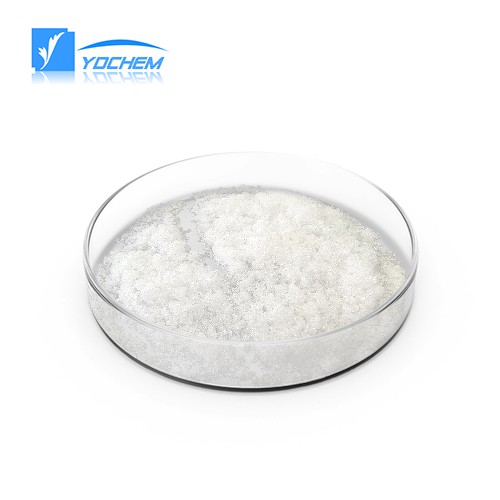
First off, let's get to know what Guanidine Carbonate is. Guanidine Carbonate is a white crystalline powder that's used in a variety of industries. You can check out more details about it on our website Guanidine Carbonate. It's commonly used in the production of pharmaceuticals, dyes, and even in some agricultural applications. We also offer Pharmaceutical Grade Guanidine Carbonate for those in the pharma industry.
Personal Protective Equipment (PPE)
One of the most basic yet crucial safety measures is wearing the right PPE. When handling Guanidine Carbonate, you should always wear chemical-resistant gloves. These gloves will protect your hands from direct contact with the chemical, which can cause skin irritation. I've seen too many cases where people skipped this step and ended up with red, itchy hands.
Next, safety goggles are a must. Guanidine Carbonate can be harmful if it gets into your eyes. A small splash could lead to serious eye damage, so don't take any chances. Make sure the goggles fit well and cover your eyes completely.
A lab coat or protective clothing is also essential. This will prevent the chemical from getting on your regular clothes and potentially coming into contact with your skin. It's better to be safe than sorry, right?
Handling in a Well-Ventilated Area
Guanidine Carbonate can release fumes, especially when it's being mixed or heated. That's why it's important to handle it in a well-ventilated area. If you're working in a lab, use a fume hood. The fume hood will suck up the fumes and prevent you from inhaling them. Inhaling these fumes can cause respiratory problems, like coughing and shortness of breath.
If you don't have a fume hood, make sure the room has good air circulation. Open windows and doors to let fresh air in. You can also use a fan to help move the air around.
Storage
Proper storage of Guanidine Carbonate is just as important as handling it safely. Store it in a cool, dry place. Heat and moisture can cause the chemical to break down and become unstable. Keep it away from direct sunlight and sources of heat, like heaters or hot pipes.
It's also a good idea to store Guanidine Carbonate in a tightly sealed container. This will prevent it from absorbing moisture from the air and also keep it from spilling. Make sure the container is labeled clearly with the name of the chemical and any hazard warnings.
Spill Cleanup
Accidents happen, and spills can occur. If you spill Guanidine Carbonate, don't panic. First, put on additional PPE if you haven't already. You might need a face mask to protect yourself from inhaling any dust that might be kicked up.
Use a spill kit or absorbent materials to soak up the spill. Don't use water to clean it up right away, as this can cause the chemical to spread. Once you've absorbed the spill, carefully scoop up the absorbent material and put it in a sealed container. Label the container as hazardous waste.
After cleaning up the spill, wash the area thoroughly with soap and water. This will remove any remaining traces of the chemical.
Compatibility
Be aware of what Guanidine Carbonate is compatible with. It can react with certain chemicals, so you need to keep it away from incompatible substances. For example, it can react with strong acids and bases. If you mix it with the wrong chemical, it could cause a dangerous chemical reaction, like a fire or explosion.
Before using Guanidine Carbonate in a new process or with a new chemical, do some research to make sure they're compatible. You can also consult with a chemical expert if you're not sure.
Training
If you're working with a team, make sure everyone is properly trained in handling Guanidine Carbonate. Training should cover all the safety precautions I've mentioned, as well as how to use the PPE correctly. It's important that everyone on the team understands the risks and knows how to handle the chemical safely.
Regular training sessions are a good idea to keep everyone up-to-date on the latest safety practices. You can also have safety drills to practice spill cleanup and other emergency procedures.

Emergency Response
In case of an emergency, like a large spill or someone getting exposed to the chemical, you need to have an emergency response plan in place. Know where the emergency eyewash stations and safety showers are located. If someone gets the chemical in their eyes or on their skin, they should immediately go to the eyewash station or safety shower and rinse for at least 15 minutes.
You should also have a first aid kit on hand. The first aid kit should include supplies for treating skin irritation, eye injuries, and respiratory problems. Make sure everyone on the team knows how to use the first aid kit.
Disposal
Proper disposal of Guanidine Carbonate is crucial to protect the environment. Don't just throw it in the regular trash. It's considered hazardous waste and needs to be disposed of according to local regulations.
Contact a licensed hazardous waste disposal company to handle the disposal. They have the expertise and equipment to dispose of the chemical safely. This will prevent it from contaminating the soil, water, or air.
Conclusion
Handling Guanidine Carbonate safely is not rocket science, but it does require some knowledge and precautions. By following these safety measures, you can protect yourself, your team, and the environment.
If you're in the market for high-quality Guanidine Carbonate, we're here to help. Whether you need Guanidine Carbonate for general use or Pharmaceutical Grade Guanidine Carbonate for the pharmaceutical industry, we've got you covered. We also offer Guanidine Phosphate Monobasic if that's what you need.
If you have any questions or want to discuss your procurement needs, feel free to reach out. We're always happy to have a chat and help you find the right product for your business.
References
- "Safety Data Sheet for Guanidine Carbonate" - Chemical Safety Information Database
- "Handling and Storage of Industrial Chemicals" - Occupational Safety and Health Administration (OSHA)
- "Emergency Response Guidelines for Chemical Spills" - Environmental Protection Agency (EPA)