




What is the wear resistance of steel after adding Graphite Carburetant?
 Dec 12, 2025|
 Hey there! As a graphite carburetant supplier, I often get asked about how adding graphite carburetant affects the wear resistance of steel. So, I thought I'd dive into this topic and share some insights with you all.
First off, let's understand what wear resistance is. Wear resistance is the ability of a material to withstand wear, which is the gradual removal of material from a surface due to mechanical action, like friction. In the case of steel, good wear resistance is super important in a lot of applications, such as automotive parts, cutting tools, and machinery components.
Now, let's talk about graphite carburetant. Graphite carburetant is a type of additive used in the steel - making process. It's mainly composed of carbon in the form of graphite. When we add graphite carburetant to steel, it can bring about several changes that impact the wear resistance of the steel.
One of the key things that graphite carburetant does is increase the carbon content in the steel. Carbon is a crucial element in steel as it significantly affects the steel's properties. When the carbon content goes up, the hardness of the steel generally increases. Harder steel is usually more wear - resistant because it can better withstand the abrasive forces during wear. For example, in a cutting tool, a harder steel edge will last longer and maintain its sharpness better when cutting through materials.

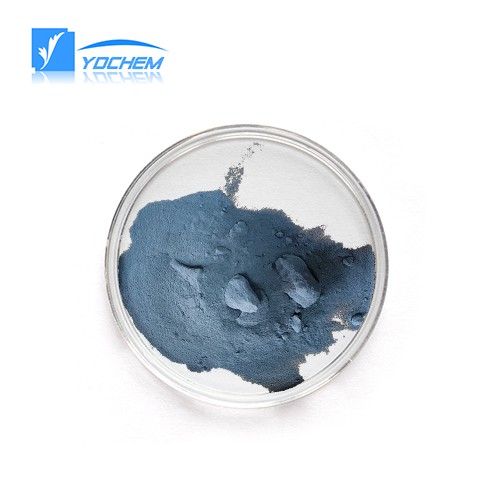
But it's not just about increasing hardness. Graphite itself has some unique properties that can contribute to wear resistance. Graphite has a layered structure, and these layers can act as a solid lubricant. When the steel with graphite carburetant is in use, the graphite layers can reduce the friction between the steel surface and the contacting material. This reduction in friction means less wear on the steel surface. Imagine a machine part that is constantly in motion. The graphite in the steel can help it move more smoothly, reducing the wear and tear caused by the constant rubbing.
However, adding too much graphite carburetant can also have some negative effects. If the carbon content gets too high, the steel can become brittle. A brittle steel is more likely to crack or break under stress, which can actually reduce its overall wear resistance. So, it's all about finding the right balance.
Let's look at some real - world examples. In the automotive industry, engine components like pistons and crankshafts need to have good wear resistance. By adding an appropriate amount of graphite carburetant during the steel - making process, manufacturers can improve the wear resistance of these parts. This means longer - lasting engines and fewer breakdowns.
Now, if you're in the market for graphite carburetant, you might also be interested in other related products. For instance, you can check out OEM Calcium Cyanamide. This product can also play a role in the metallurgical process and may complement the use of graphite carburetant. Another option is Carborundum Diameter 60 Microns, which can be used in some applications to enhance the surface properties of steel. And of course, if you want to learn more about carburetant in general, visit Carburetant.
To sum it up, adding graphite carburetant to steel can improve its wear resistance by increasing hardness and providing lubrication. But we need to be careful with the amount we add to avoid making the steel too brittle. If you're involved in the steel - making industry or any application where wear - resistant steel is needed, graphite carburetant could be a great option for you.
If you're interested in purchasing graphite carburetant or have any questions about how it can work for your specific needs, don't hesitate to reach out. We're here to help you find the best solution for your business. Whether you're a small - scale manufacturer or a large industrial company, we can offer you high - quality graphite carburetant at competitive prices.
References
- Smith, J. (2018). "The Effects of Carbon Additives on Steel Properties". Metallurgy Journal, 25(3), 45 - 52.
- Johnson, A. (2019). "Graphite in Metallurgy: A Review". Materials Science Review, 32(1), 78 - 85.
- Brown, R. (2020). "Wear Resistance of Steel Alloys". Engineering Materials Research, 15(2), 33 - 41.