




What is the shelf - life of OEM Calcium Cyanamide?
 Jun 09, 2025|
 Hey there! As an OEM Calcium Cyanamide supplier, I often get asked about the shelf-life of our product. So, I thought I'd take some time to dive into this topic and share everything you need to know.
First off, let's talk about what OEM Calcium Cyanamide is. OEM Calcium Cyanamide is a chemical compound that has a wide range of applications. It's commonly used in agriculture as a fertilizer and in the metallurgical industry as a carburetant.
In agriculture, it helps to improve soil fertility and acts as a nitrogen source for plants. In the metallurgical field, it's used to adjust the carbon content in steel and other metals. Besides these, it also has some other minor uses in the production of certain chemicals.
Now, let's get to the main question: what's the shelf-life of OEM Calcium Cyanamide? Well, the shelf-life of this product can vary depending on several factors.
Storage Conditions
One of the most important factors affecting the shelf-life is storage conditions. If Calcium Cyanamide is stored in a cool, dry place, away from direct sunlight and moisture, it can have a relatively long shelf-life. Ideally, the storage temperature should be below 30°C (86°F) and the relative humidity should be kept low.
When exposed to moisture, Calcium Cyanamide can react with water in the air. This reaction can lead to the formation of calcium carbonate and ammonia. The ammonia can escape into the air, reducing the effectiveness of the product. And the formation of calcium carbonate can change the physical properties of the powder, making it clump together. So, a dry environment is crucial for maintaining its quality.

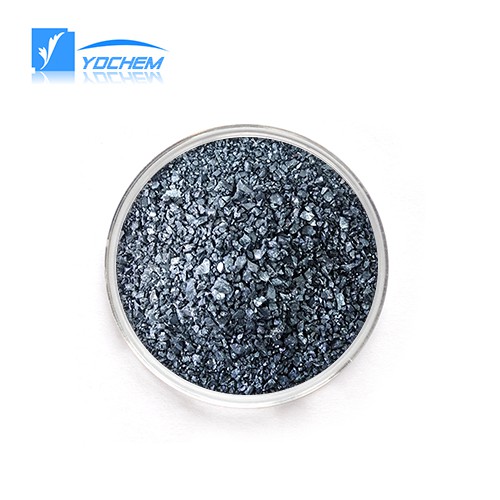
For example, if you store it in a warehouse with proper ventilation and dehumidification equipment, the product can last for several years. On the other hand, if it's stored in a damp basement or an area prone to leaks, its shelf-life can be significantly shortened, maybe just a few months.
Packaging
The type of packaging also plays a big role. Good quality, airtight packaging can prevent moisture and air from getting in. Usually, we use high - density polyethylene (HDPE) bags with an inner liner. This kind of packaging provides a good barrier against external factors.
If the packaging is damaged, say there's a tear in the bag, it allows air and moisture to enter. Once this happens, the degradation process starts much faster. So, when you receive the product, always check the packaging for any signs of damage. If you find any issues, it's best to transfer the product to a new, intact container as soon as possible.
Purity and Quality at the Time of Production
The initial purity and quality of the Calcium Cyanamide when it's produced also impact its shelf-life. Higher purity products generally have a longer shelf-life. Impurities in the product can act as catalysts for chemical reactions, accelerating the degradation process.
At our company, we use advanced production techniques to ensure high purity. We conduct strict quality control checks at every stage of production. This helps us to deliver a product with a longer shelf - life to our customers.
Typical Shelf - Life
Under optimal storage conditions, OEM Calcium Cyanamide can have a shelf-life of about 2 - 3 years. But this is just an estimate. If the storage conditions are not ideal, as I mentioned earlier, the shelf-life can be much shorter.
Let's take a look at some of the signs that the product may have reached the end of its useful life. One of the obvious signs is a change in color. Fresh Calcium Cyanamide is usually a dark gray or black powder. If it starts to turn white or shows signs of discoloration, it may have undergone a chemical reaction.
Another sign is clumping. As I said, when it reacts with moisture, it can form clumps. If the powder has become a solid mass, it's likely that its quality has been compromised. And of course, if you notice a strong ammonia smell when you open the package, it's a clear indication that the product has started to degrade.
Now, besides its use as a carburetant, there are other related products in the metallurgical industry. Carburetant in general is an important additive for adjusting the carbon content in metals. And Activated Carbon Pellets are also used in some processes for purification and other functions.
If you're in the market for OEM Calcium Cyanamide or related products, and you have any questions about shelf - life, storage, or usage, don't hesitate to reach out. We're here to provide you with the best products and the most professional advice. Whether you're an agricultural business looking to improve your soil fertility or a metallurgical company in need of high - quality carburetant, we can help.
In conclusion, understanding the shelf - life of OEM Calcium Cyanamide is important for getting the most out of the product. By following proper storage procedures and being aware of the signs of degradation, you can ensure that you're using a high - quality product that meets your needs. So, if you're interested in purchasing our OEM Calcium Cyanamide or want to learn more about our other products, feel free to contact us. We're eager to start a conversation and work with you to meet your specific requirements.
References
- Handbook of Chemical Storage and Stability
- Agricultural and Metallurgical Chemicals Industry Reports