




What is the mechanism of action of Guanidine Isothiocyanate in cell lysis?
 Aug 07, 2025|
 Cell lysis is a fundamental technique in biological research, enabling the extraction of intracellular components such as proteins, nucleic acids, and organelles for further analysis. Among the various reagents used for cell lysis, Guanidine Isothiocyanate (GITC) stands out as a powerful and widely employed agent. As a trusted supplier of Guanidine Isothiocyanate, we are well - versed in its properties and applications. In this blog, we will delve into the mechanism of action of Guanidine Isothiocyanate in cell lysis.
Chemical Properties of Guanidine Isothiocyanate
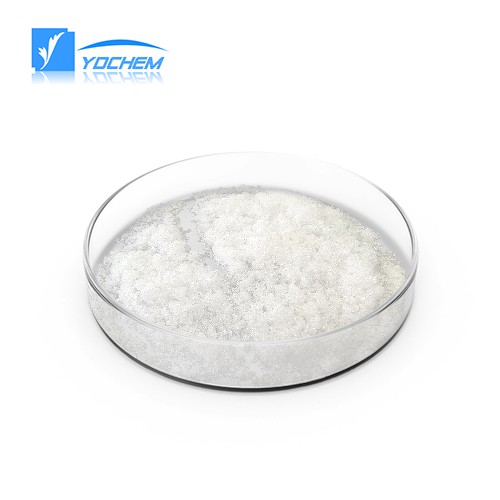
Guanidine Isothiocyanate has the chemical formula C₂H₅N₃S. It is a white crystalline solid that is highly soluble in water and other polar solvents. The compound contains a guanidinium group and an isothiocyanate group. The guanidinium group is positively charged under physiological conditions, while the isothiocyanate group is a reactive functional group. These chemical features play crucial roles in its ability to lyse cells.
Disruption of Cell Membranes
One of the primary steps in cell lysis is the disruption of the cell membrane. The cell membrane is a lipid - bilayer structure that separates the intracellular environment from the extracellular space. GITC can interact with the lipid components of the cell membrane. The guanidinium group of GITC can form electrostatic interactions with the negatively charged head groups of phospholipids in the cell membrane. These interactions weaken the lipid - lipid and lipid - protein associations within the membrane.
In addition, the isothiocyanate group can react with membrane - associated proteins. Proteins in the cell membrane are essential for maintaining its structure and function. The isothiocyanate group can modify the cysteine residues in membrane proteins through a covalent reaction, leading to the denaturation and disruption of these proteins. As a result, the integrity of the cell membrane is compromised, allowing GITC and other molecules to enter the cell.
Denaturation of Proteins
Once inside the cell, GITC exerts its effect on intracellular proteins. Proteins have a specific three - dimensional structure that is crucial for their biological activity. GITC is a chaotropic agent, which means it can disrupt the non - covalent interactions that maintain the native structure of proteins.
The guanidinium ions in GITC can form hydrogen bonds with the peptide backbone of proteins. These hydrogen bonds compete with the intramolecular hydrogen bonds within the protein, leading to the unfolding of the protein structure. Moreover, the high concentration of GITC in the solution can disrupt the hydrophobic interactions that are important for protein folding. Hydrophobic amino acid residues, which are usually buried in the interior of the native protein, are exposed to the aqueous environment in the presence of GITC.
The denaturation of proteins is not only important for cell lysis but also for preventing the degradation of other biomolecules. Many intracellular proteases are inactivated by the denaturation process, which helps to preserve the integrity of nucleic acids and other molecules during the lysis procedure.
Inhibition of Nucleases
Nucleases are enzymes that can degrade nucleic acids. During cell lysis, it is crucial to inhibit these nucleases to ensure the recovery of intact nucleic acids. GITC has the ability to inhibit both RNases and DNases.
The mechanism of nuclease inhibition by GITC is related to its chaotropic nature. Similar to its effect on other proteins, GITC can denature nucleases by disrupting their tertiary structure. The guanidinium ions can interact with the charged residues on the surface of nucleases, and the isothiocyanate group can react with the nucleophilic groups in the enzyme active site. By inactivating nucleases, GITC allows for the efficient extraction of high - quality RNA and DNA from cells.
Solubilization of Cellular Components
After the disruption of the cell membrane and the denaturation of proteins, GITC helps to solubilize the cellular components. The guanidinium ions can interact with various biomolecules, including nucleic acids, proteins, and carbohydrates.
For nucleic acids, GITC can form complexes with RNA and DNA. The positively charged guanidinium ions can neutralize the negative charges on the phosphate backbone of nucleic acids, reducing the electrostatic repulsion between nucleic acid molecules. This promotes the solubility of nucleic acids in the lysis buffer.
In the case of proteins, the denatured proteins are solubilized in the GITC - containing solution. The chaotropic environment created by GITC prevents the aggregation of denatured proteins, allowing them to remain in solution for further analysis.
Applications in Different Cell Types
GITC - based cell lysis methods are applicable to a wide range of cell types, including mammalian cells, bacteria, and yeast. In mammalian cells, GITC can be used to extract RNA for gene expression analysis, such as real - time PCR and RNA sequencing. The ability of GITC to inhibit RNases is particularly important in these applications, as RNA is highly susceptible to degradation.
For bacteria, GITC can be used in combination with other reagents to lyse the thick cell wall. The cell wall of bacteria is composed of peptidoglycan, and GITC can work in synergy with lysozyme or other cell - wall - degrading enzymes to break down the cell wall and release the intracellular contents.

In yeast cells, GITC - based lysis protocols are also effective. Yeast cells have a rigid cell wall made of glucans and mannans. GITC can disrupt the cell membrane and denature the intracellular proteins, facilitating the extraction of nucleic acids and other biomolecules.
Comparison with Other Lysis Reagents
There are several other reagents available for cell lysis, such as detergents (e.g., SDS) and organic solvents (e.g., chloroform). Compared to detergents, GITC has the advantage of being able to inhibit nucleases. Detergents mainly act by disrupting the cell membrane, but they do not have the same level of nuclease - inhibiting ability as GITC.
When compared to organic solvents, GITC is more water - soluble and less toxic in some cases. Organic solvents can be difficult to remove from the lysate, and they may also cause damage to some biomolecules. GITC, on the other hand, can be easily removed or diluted during subsequent purification steps.
Our Product Range
As a supplier of Guanidine Isothiocyanate, we also offer Guanidine Thiocyanate Ultrapure. This ultrapure form of guanidine thiocyanate is suitable for applications that require high - quality reagents, such as RNA extraction for sensitive molecular biology assays.
In addition, we provide Pharmaceutical Grade Guanidine Carbonate, which is an important intermediate in the synthesis of GITC and other guanidine - based compounds. Our products are manufactured under strict quality control standards to ensure their purity and performance.
Conclusion
Guanidine Isothiocyanate is a powerful reagent for cell lysis. Its mechanism of action involves the disruption of cell membranes, denaturation of proteins, inhibition of nucleases, and solubilization of cellular components. These properties make it an essential tool in biological research, especially in the fields of nucleic acid extraction and protein analysis.
If you are interested in purchasing Guanidine Isothiocyanate or any of our related products, we invite you to contact us for procurement and further discussions. Our team of experts is ready to provide you with detailed product information and technical support.
References
- Chomczynski, P., & Sacchi, N. (1987). Single - step method of RNA isolation by acid guanidinium thiocyanate - phenol - chloroform extraction. Analytical Biochemistry, 162(1), 156 - 159.
- Sambrook, J., & Russell, D. W. (2001). Molecular cloning: A laboratory manual. Cold Spring Harbor Laboratory Press.
- Ausubel, F. M., Brent, R., Kingston, R. E., Moore, D. D., Seidman, J. G., Smith, J. A., & Struhl, K. (Eds.). (1994). Current protocols in molecular biology. John Wiley & Sons.