




What is the difference between natural and synthetic Graphite Carburetant?
 Jul 21, 2025|
 Hey there! As a graphite carburetant supplier, I often get asked about the difference between natural and synthetic graphite carburetant. It's a pretty common question, and it's important to understand these differences if you're in the market for carburetant. So, let's dive right in and break it down.
What is Graphite Carburetant?
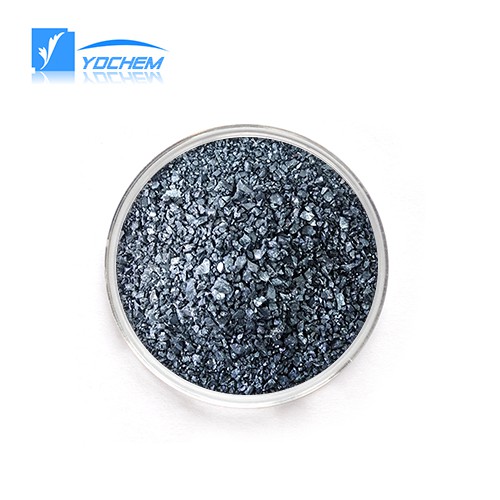
First off, let's quickly talk about what carburetant is. Carburetant is a material used in metallurgy to increase the carbon content in metals. You can learn more about it by checking out this link: Carburetant. Graphite carburetant, specifically, is a type of carburetant made from graphite. It plays a crucial role in the steel - making and foundry industries, helping to improve the properties of the final metal product.
Natural Graphite Carburetant
Natural graphite carburetant is, as the name suggests, derived from natural graphite deposits. These deposits are mined from the earth, and then the graphite is processed to make it suitable for use as a carburetant.
Advantages
- Purity: Natural graphite often has a relatively high purity level. This means that when you use it as a carburetant, you're less likely to introduce unwanted impurities into the metal. High - purity carburetant can lead to better - quality metal products.
- Cost - effectiveness: In some cases, natural graphite carburetant can be more cost - effective than its synthetic counterpart. This is especially true if the natural graphite deposits are easily accessible and the processing costs are low.
- Environmental friendliness: Since it comes from natural sources, using natural graphite carburetant can be seen as a more environmentally friendly option. Mining operations can be managed in an eco - friendly way, and it's a renewable resource in the long run.
Disadvantages
- Inconsistent quality: The quality of natural graphite can vary depending on the source of the deposit. Different mines may produce graphite with different levels of purity, particle size, and other characteristics. This inconsistency can make it a bit tricky to ensure consistent results in the metallurgical process.
- Limited availability: There are only so many natural graphite deposits around the world, and some of them are being depleted. This limited availability can lead to supply shortages and price fluctuations.
Synthetic Graphite Carburetant
Synthetic graphite carburetant is man - made. It's produced through a chemical process that involves heating carbon - rich materials at high temperatures.
Advantages
- Consistent quality: One of the biggest advantages of synthetic graphite carburetant is its consistent quality. Manufacturers can control the production process precisely, which means that the final product has uniform properties. This consistency is great for industries that require precise control over the metallurgical process.
- Customizability: Synthetic graphite can be customized to meet specific requirements. You can adjust the particle size, purity level, and other properties according to your needs. This makes it a versatile option for different applications.
- High reactivity: Synthetic graphite carburetant generally has a higher reactivity compared to natural graphite. This means that it can react more quickly with the metal during the carburetion process, leading to faster and more efficient carbon addition.
Disadvantages
- Higher cost: The production process of synthetic graphite is more complex and energy - intensive, which makes it more expensive than natural graphite carburetant. This higher cost can be a deterrent for some customers, especially those on a tight budget.
- Environmental impact: The chemical processes involved in making synthetic graphite can have a significant environmental impact. High - energy consumption and the use of certain chemicals can contribute to pollution and carbon emissions.
Applications
Both natural and synthetic graphite carburetant have their own areas of application.
Natural Graphite Carburetant
- General steelmaking: In many general steel - making processes, natural graphite carburetant is a popular choice due to its cost - effectiveness and relatively high purity. It can be used to adjust the carbon content in various types of steel, from mild steel to high - carbon steel.
- Foundry work: Foundries that produce cast iron and other metal castings also use natural graphite carburetant. It helps to improve the fluidity and mechanical properties of the molten metal, resulting in better - quality castings.
Synthetic Graphite Carburetant
- High - end steel production: For industries that require high - quality steel with precise carbon content, such as the aerospace and automotive industries, synthetic graphite carburetant is often the preferred choice. Its consistent quality and high reactivity ensure accurate and efficient carbon addition.
- Specialty alloys: When producing specialty alloys with specific properties, synthetic graphite carburetant can be customized to meet the exact requirements of the alloy. This makes it ideal for applications in high - tech industries.
Which One Should You Choose?
The choice between natural and synthetic graphite carburetant depends on several factors.

- Budget: If you're on a tight budget, natural graphite carburetant may be the way to go. However, if cost is not a major concern and you need consistent, high - quality results, synthetic graphite might be worth the extra investment.
- Quality requirements: If your application requires precise control over the carbon content and other properties of the metal, synthetic graphite is likely the better option. On the other hand, if a slightly lower level of consistency is acceptable, natural graphite can work well.
- Availability: Consider the availability of both types of carburetant in your area. If there are supply shortages of one type, you may need to choose the other.
Other Related Products
While we're on the topic of carburetant and related materials, it's worth mentioning a couple of other products. Calcium carbide is used for acetylene production, and you can find more information about it here: Calcium Carbide for Acetylene Production. Also, activated carbon pellets have various industrial applications, and you can learn about them at this link: Activated Carbon Pellets.
Conclusion
In conclusion, both natural and synthetic graphite carburetant have their pros and cons. As a graphite carburetant supplier, I'm here to help you make the right choice for your specific needs. Whether you're looking for a cost - effective solution or a high - quality, customizable option, we've got you covered.
If you're interested in purchasing graphite carburetant or have any questions about the products, feel free to reach out. We're always happy to discuss your requirements and provide you with the best possible solution.
References
- ASTM International. Standards related to graphite and carburetant materials.
- Metallurgical textbooks and research papers on the use of carburetant in steelmaking and foundry processes.