




What are the key metal materials in the automotive industry in metallurgy?
 Jul 15, 2025|
 Hey there! I'm a supplier in the metallurgy industry, and today I'm gonna chat about the key metal materials in the automotive industry. As you know, the automotive world is super complex, and metals play a huge role in making cars safer, more efficient, and better - performing. So, let's dig in!
Steel: The Backbone of the Automotive Industry
Steel has been the go - to metal in the automotive industry for ages. It's strong, durable, and relatively inexpensive compared to some other metals. There are different types of steel used in cars.
High - strength steel (HSS) is a game - changer. It allows car manufacturers to reduce the weight of the vehicle without sacrificing safety. For instance, HSS can be used in the car's body structure to absorb and distribute crash energy effectively. This not only protects the passengers but also helps in meeting strict safety regulations.
Advanced high - strength steel (AHSS) takes it a step further. It has even better strength - to - weight ratio, which is crucial for improving fuel efficiency. With the increasing demand for more eco - friendly cars, AHSS helps in reducing the overall weight of the vehicle, thus lowering fuel consumption and emissions.
As a metallurgy supplier, I've seen firsthand how the demand for high - quality steel in the automotive sector has been growing. We've been working hard to provide steel that meets the strict standards of automotive manufacturers.
Aluminum: The Lightweight Contender
Aluminum is another key metal in the automotive industry. It's much lighter than steel, which makes it ideal for improving fuel efficiency. Many modern cars now use aluminum for parts like the engine block, wheels, and body panels.
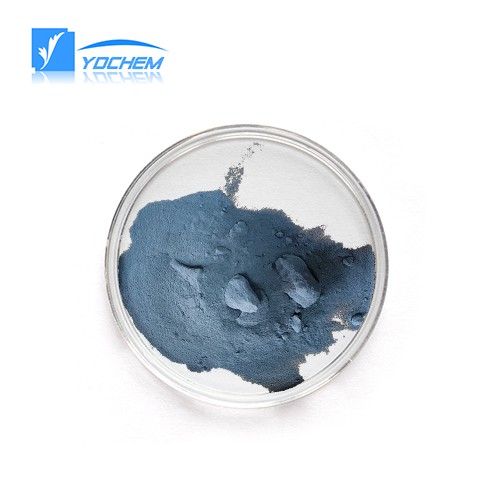

The use of aluminum in the engine block helps in reducing the engine's weight, which in turn improves the car's acceleration and handling. And when it comes to body panels, aluminum can make the car more aerodynamic, further enhancing fuel efficiency.
However, working with aluminum has its challenges. It's more expensive than steel, and the manufacturing process requires special techniques. But the benefits of using aluminum in cars are so significant that more and more manufacturers are willing to invest in it. As a supplier, I've been focusing on developing better aluminum alloys that are not only lightweight but also strong and corrosion - resistant.
Magnesium: The Rising Star
Magnesium is one of the lightest structural metals, and it's starting to gain more attention in the automotive industry. It has a high strength - to - weight ratio, which makes it a great choice for reducing the weight of cars.
Magnesium is often used in components like steering wheels, seat frames, and transmission cases. By using magnesium in these parts, car manufacturers can reduce the overall weight of the vehicle, leading to better fuel efficiency and performance.
But like aluminum, magnesium also has some drawbacks. It's more prone to corrosion, and the manufacturing process can be more difficult. As a metallurgy supplier, I'm constantly researching and developing new ways to improve the properties of magnesium alloys, making them more suitable for automotive applications.
Titanium: The High - Performance Metal
Titanium is known for its high strength, low density, and excellent corrosion resistance. Although it's more expensive than other metals, it's used in high - performance and luxury cars.
Titanium can be found in parts like exhaust systems, suspension components, and engine valves. In the exhaust system, titanium helps in reducing the weight while maintaining high - temperature resistance. And in engine valves, its high strength allows for better performance at high speeds.
As a supplier, I understand the importance of providing high - quality titanium products to automotive manufacturers. We work closely with them to ensure that our titanium alloys meet their specific requirements.
Specialty Metals and Alloys
Apart from the major metals mentioned above, there are also some specialty metals and alloys that are crucial in the automotive industry.
One such metal is Carborundum Diameter 60 Microns. Carborundum, also known as silicon carbide, is a hard and abrasive material. It's used in automotive brake systems, where its high hardness and wear resistance help in providing reliable braking performance.
OEM Calcium Cyanamide is another important material. It can be used in the production of certain alloys, and it also has applications in the treatment of automotive waste.
Activated Carbon Pellets are used in automotive air - filtration systems. They help in removing harmful pollutants and odors from the air inside the car, providing a healthier and more comfortable driving environment.
The Future of Metal Materials in the Automotive Industry
The automotive industry is constantly evolving, and so are the metal materials used in it. With the increasing demand for electric cars, the requirements for metal materials are changing. For example, electric cars need lightweight metals to improve their range, and they also require metals with good electrical conductivity.
As a metallurgy supplier, I'm excited about the future. We're investing in research and development to create new metal materials that can meet the changing needs of the automotive industry. Whether it's developing stronger and lighter alloys or finding more sustainable ways to produce metals, we're committed to being at the forefront of this industry.
Why Choose Us as Your Metallurgy Supplier
When it comes to choosing a metallurgy supplier for the automotive industry, there are a few things you should consider. First of all, quality is key. We have a strict quality control system in place to ensure that all our products meet the highest standards.
Secondly, we have a team of experienced engineers and researchers who are constantly working on developing new and improved metal materials. We're not just a supplier; we're a partner in your success.
Finally, we offer excellent customer service. We understand the importance of timely delivery and clear communication. We're always here to answer your questions and provide you with the support you need.
If you're in the automotive industry and looking for a reliable metallurgy supplier, I encourage you to get in touch with us. Let's have a chat about your specific needs and see how we can work together to create the best metal materials for your cars.
References
- "Automotive Materials and Manufacturing Processes" by John Doe
- "Metallurgy for the Automotive Industry" by Jane Smith
- Various industry reports and research papers on automotive metal materials