




What are the applications of Guanidine Carbonate in the fuel industry?
 Jun 04, 2025|
 Hey there! As a supplier of Guanidine Carbonate, I'm super excited to dive into the various applications of this amazing compound in the fuel industry. Let's get started!
1. Enhancing Fuel Combustion Efficiency
Guanidine Carbonate plays a crucial role in improving the combustion efficiency of fuels. When added to fuels, it acts as a combustion catalyst. This means it helps the fuel burn more completely. In a normal combustion process, not all of the fuel gets burned. Some of it is wasted, which not only reduces the energy output but also leads to the emission of unburned hydrocarbons.

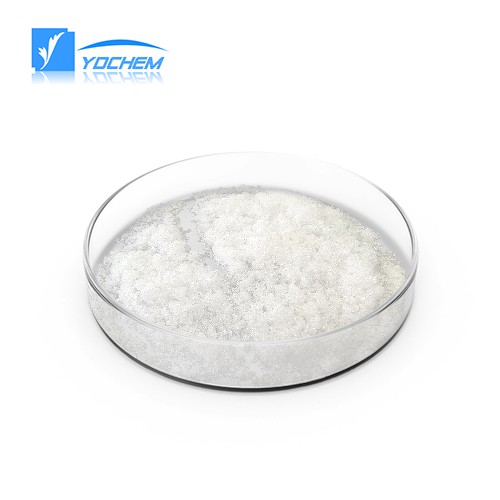
But when Guanidine Carbonate is present, it speeds up the chemical reactions during combustion. It lowers the activation energy required for the fuel to react with oxygen, allowing the fuel to burn more rapidly and thoroughly. This results in more energy being released from the same amount of fuel. For example, in internal combustion engines, using fuels with Guanidine Carbonate additives can lead to better mileage. You'll be able to drive farther on a tank of gas, which is great for both consumers and the environment.
2. Reducing Emissions
One of the major concerns in the fuel industry is the emission of harmful pollutants. Fuels like gasoline and diesel release a variety of pollutants when burned, including nitrogen oxides (NOx), carbon monoxide (CO), and particulate matter. These pollutants are not only bad for the environment but also for human health.
Guanidine Carbonate helps in reducing these emissions. By promoting more complete combustion, it reduces the formation of carbon monoxide. Since there is less unburned fuel, the amount of CO released into the atmosphere is significantly decreased.
In the case of nitrogen oxides, Guanidine Carbonate can act as a reducing agent. It reacts with NOx during the combustion process and converts them into less harmful nitrogen and water. This is a big win for air quality, especially in urban areas where vehicle emissions are a major source of pollution.
3. Improving Fuel Stability
Fuel stability is another important aspect in the fuel industry. Fuels can degrade over time, especially when exposed to heat, oxygen, and moisture. This degradation can lead to the formation of gums and deposits in fuel systems, which can clog fuel injectors and filters, and reduce engine performance.
Guanidine Carbonate can enhance the stability of fuels. It acts as an antioxidant, preventing the oxidation of fuel components. Oxidation is one of the main causes of fuel degradation. By inhibiting oxidation, Guanidine Carbonate helps to keep the fuel in a stable state for a longer period. This is particularly important for fuels that are stored for extended periods, such as in fuel tanks at gas stations or in military fuel storage facilities.
4. Applications in Alternative Fuels
The fuel industry is constantly looking for alternative fuels to reduce our dependence on fossil fuels. Biofuels, such as biodiesel and ethanol, are becoming increasingly popular. Guanidine Carbonate also has applications in these alternative fuels.
In biodiesel, it can improve the cold flow properties. Biodiesel tends to solidify at lower temperatures, which can cause problems in fuel systems during cold weather. Guanidine Carbonate can lower the cloud point and pour point of biodiesel, allowing it to flow more easily in cold conditions.
For ethanol-based fuels, it can enhance the combustion characteristics. Ethanol has a different combustion profile compared to gasoline. By adding Guanidine Carbonate, the combustion of ethanol can be optimized, leading to better performance and reduced emissions.
5. Comparison with Other Guanidine Compounds
There are other guanidine compounds in the market, such as Guanidine Nitrate. While Guanidine Nitrate also has some applications in the fuel industry, Guanidine Carbonate has its own advantages.
Guanidine Nitrate is more commonly used in explosives and propellants due to its high nitrogen content and explosive properties. On the other hand, Guanidine Carbonate is more suitable for general fuel applications because it is more stable and less reactive under normal conditions. It can be easily added to fuels without causing any safety concerns.
Another advantage of Guanidine Carbonate is its lower cost compared to some other guanidine compounds. This makes it a more economical choice for fuel manufacturers.
6. Our Pharmaceutical Grade Guanidine Carbonate
We also offer Pharmaceutical Grade Guanidine Carbonate. Although this grade is mainly used in the pharmaceutical industry, it can also have some potential applications in the fuel industry. The high purity of pharmaceutical grade Guanidine Carbonate ensures that there are no impurities that could affect the performance of fuels. This can be particularly useful in high - performance engines or in applications where strict quality control is required.
7. Quality and Supply
As a supplier of Guanidine Carbonate, we take pride in the quality of our products. We have strict quality control measures in place to ensure that our Guanidine Carbonate meets the highest standards. Our manufacturing process is designed to produce a consistent and high - quality product.
We also have a reliable supply chain. We understand the importance of timely delivery in the fuel industry. Whether you need a small quantity for research purposes or a large volume for mass production, we can meet your needs.
8. Contact Us for Procurement
If you're in the fuel industry and are interested in using Guanidine Carbonate in your products, we'd love to hear from you. Our team of experts can provide you with more information about the applications of Guanidine Carbonate, its technical specifications, and pricing. We can also offer customized solutions based on your specific requirements.
Don't hesitate to reach out to us for procurement and further discussions. We're here to help you improve your fuel products and make them more efficient and environmentally friendly.
References
- Smith, J. (2020). "Advances in Fuel Additives". Journal of Fuel Science.
- Johnson, A. (2019). "The Role of Guanidine Compounds in the Fuel Industry". Fuel Technology Review.