




What are the applications of Dicyandiamide Powder in the energy industry?
 May 21, 2025|
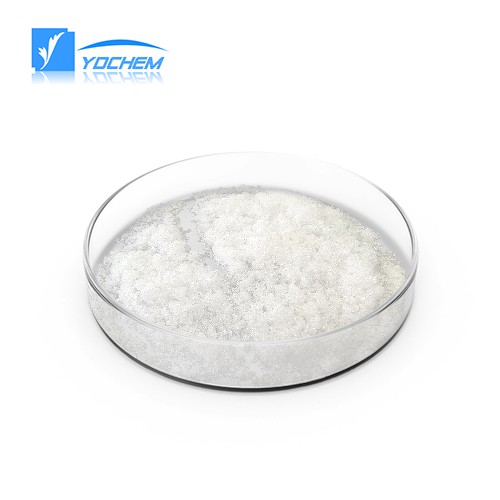
 Dicyandiamide powder, also known as cyanoguanidine, is a white crystalline powder with a wide range of applications across various industries. As a leading supplier of dicyandiamide powder, I am excited to explore its applications in the energy industry. This blog post will delve into the ways dicyandiamide powder is used in energy production, storage, and conservation, highlighting its unique properties and benefits.
1. Catalyst in Fuel Production
One of the primary applications of dicyandiamide powder in the energy industry is as a catalyst in fuel production. In the refining of petroleum products, catalysts play a crucial role in accelerating chemical reactions and improving the efficiency of the refining process. Dicyandiamide powder can be used as a component in catalysts for processes such as hydrocracking and hydrotreating.
Hydrocracking is a process that breaks down heavy hydrocarbon molecules into lighter, more valuable products such as gasoline, diesel, and jet fuel. Dicyandiamide powder can enhance the activity and selectivity of the catalyst, allowing for more efficient conversion of heavy oils into lighter fuels. This not only improves the yield of high - quality fuels but also reduces the energy consumption and environmental impact of the refining process.

Hydrotreating, on the other hand, is used to remove impurities such as sulfur, nitrogen, and metals from petroleum products. Dicyandiamide - based catalysts can effectively promote the removal of these impurities, resulting in cleaner and more environmentally friendly fuels. The use of dicyandiamide in these catalysts can also extend their lifespan, reducing the frequency of catalyst replacement and lowering operational costs.
2. Battery Technology
The energy storage sector, particularly battery technology, is another area where dicyandiamide powder finds significant applications. In recent years, there has been a growing demand for high - performance batteries for electric vehicles, portable electronics, and renewable energy storage systems. Dicyandiamide can be used in the production of battery electrodes and electrolytes.
For example, in lithium - ion batteries, dicyandiamide can be used to modify the surface of electrode materials. By coating the electrode with a thin layer of dicyandiamide - derived compounds, the stability and conductivity of the electrode can be improved. This leads to better battery performance, including higher energy density, longer cycle life, and faster charging times.
In addition, dicyandiamide can be incorporated into battery electrolytes to enhance their ionic conductivity and stability. A more conductive electrolyte allows for faster ion transport within the battery, which is essential for high - power applications. The improved stability of the electrolyte also helps to prevent degradation and extend the overall lifespan of the battery.
3. Fuel Cells
Fuel cells are a promising technology for clean and efficient energy conversion. They generate electricity through an electrochemical reaction between a fuel (such as hydrogen) and an oxidant (usually oxygen). Dicyandiamide powder can be used in the development of fuel cell components, such as catalysts and membranes.
In proton exchange membrane fuel cells (PEMFCs), which are widely used in transportation and stationary power applications, dicyandiamide - based catalysts can be used to promote the oxygen reduction reaction at the cathode. These catalysts can have high activity and durability, which are crucial for the long - term performance of the fuel cell.
Moreover, dicyandiamide can be used to modify the properties of the proton exchange membrane. By adding dicyandiamide - derived materials to the membrane, its proton conductivity, mechanical strength, and chemical stability can be improved. This results in a more efficient and reliable fuel cell system.
4. Energy - Efficient Insulation
Dicyandiamide powder can also contribute to energy conservation through its use in the production of energy - efficient insulation materials. Insulation is essential for reducing heat transfer in buildings, industrial facilities, and transportation vehicles, which helps to lower energy consumption for heating and cooling.
Dicyandiamide can be used as a cross - linking agent in the production of insulation foams. When added to the foam formulation, it reacts with other components to form a three - dimensional network structure. This structure enhances the mechanical properties and thermal insulation performance of the foam. The resulting insulation materials have low thermal conductivity, high compressive strength, and good fire resistance, making them ideal for a wide range of applications.
5. Related Chemical Products in the Energy Industry
As a supplier of dicyandiamide powder, we also offer a range of related chemical products that are relevant to the energy industry. For example, [Pharmaceutical Grade Guanidine Carbonate](/fine - chemicals/pharmaceutical - grade - guanidine - carbonate.html) can be used in the synthesis of certain catalysts and electrode materials. Guanidine carbonate has unique chemical properties that make it suitable for applications in energy - related chemical reactions.
[Guanidine Sulfamate](/fine - chemicals/guanidine - sulfamate.html) is another product that can be used in the energy industry. It can be used in the formulation of battery electrolytes and as a corrosion inhibitor in fuel storage systems. Its chemical stability and solubility make it a valuable additive in these applications.
[Pharmaceutical Grade Guanidine Hydrochloride](/fine - chemicals/pharmaceutical - grade - guanidine - hydrochloride.html) also has potential applications in energy - related processes. It can be used in the purification of certain energy - related chemicals and in the development of new battery technologies.
Contact for Purchase and Collaboration
If you are interested in our dicyandiamide powder or any of our related products for your energy - industry applications, we encourage you to contact us for further information and to discuss your specific requirements. Our team of experts is ready to provide you with detailed technical support and customized solutions. We are committed to providing high - quality products and excellent customer service to meet the needs of the energy industry.
References
- "Catalysis in Petroleum Refining and Petrochemicals", edited by J. Scherzer and A. J. Gruia.
- "Battery Materials Science", by J. B. Goodenough and Y. - M. Chiang.
- "Fuel Cell Fundamentals", by S. Srinivasan, S. Mukerjee, and S. Gottesfeld.
- "Thermal Insulation Materials and Systems", by K. H. Leong and C. Y. Tang.