




Is carburetant the same as fuel?
 Aug 13, 2025|
 Is carburetant the same as fuel? This is a question that often arises in industries where both play crucial roles. As a supplier of carburetant, I've encountered this query numerous times from clients, partners, and even curious individuals. In this blog, I'll delve into the differences and similarities between carburetant and fuel, shedding light on their unique characteristics and applications.
Understanding Carburetant
First, let's define what carburetant is. Carburetant is a substance used primarily to increase the carbon content in a material, typically in metallurgical processes. It helps in achieving the desired carbon levels in metals such as steel, which is essential for enhancing their strength, hardness, and other mechanical properties. There are various types of carburetants available, including Coal Carburetant, which is derived from coal and is widely used due to its cost - effectiveness and relatively high carbon content.
Carburetants are carefully selected based on their purity, carbon content, and particle size. For example, Carborundum Diameter 60 Microns is a specific type of carburetant with a defined particle size, which can be crucial in certain applications where a more precise addition of carbon is required. The choice of carburetant depends on the specific requirements of the metallurgical process, such as the type of metal being treated, the desired final carbon content, and the processing conditions.
What is Fuel?
Fuel, on the other hand, is a substance that is burned to produce energy. It can be in the form of solid, liquid, or gas. Common examples of fuels include gasoline, diesel, natural gas, and coal. Fuels are used in a wide range of applications, from powering vehicles and heating homes to generating electricity in power plants.
The primary function of fuel is to release energy through combustion. When a fuel burns, it reacts with oxygen in the air, producing heat and often light. The energy released is then harnessed for various purposes. The efficiency of a fuel is determined by its calorific value, which is the amount of heat energy released per unit mass or volume of the fuel when it is completely burned.
Similarities between Carburetant and Fuel
At first glance, there seem to be some similarities between carburetant and fuel. Both are carbon - containing substances, and both can undergo combustion reactions. Some carburetants, especially those derived from coal, have a similar chemical composition to coal - based fuels. They both contain carbon and other elements such as hydrogen, oxygen, and sulfur.
In addition, both carburetant and fuel can be sourced from natural resources. For example, coal can be used as a fuel for power generation and also as a raw material for producing coal carburetant. This common source gives them a certain degree of overlap in their origins.
Key Differences
However, the differences between carburetant and fuel are more significant. The most fundamental difference lies in their functions. As mentioned earlier, the main purpose of carburetant is to adjust the carbon content in metals during metallurgical processes. It is not used primarily for energy production. In contrast, fuel is all about energy generation.
Another difference is in their chemical and physical properties. Carburetants are often selected for their ability to dissolve or react with metals effectively. They need to have specific particle sizes and chemical reactivities to ensure proper carbon addition. Fuels, on the other hand, are optimized for efficient combustion. Their properties such as volatility, ignition temperature, and flame propagation characteristics are crucial for their performance as energy sources.
The application scenarios are also distinct. Carburetants are mainly used in industries such as steelmaking, foundries, and other metal - processing operations. They are an essential part of the production process for high - quality metals. Fuels, on the other hand, are used in transportation, heating, and power generation sectors.
Importance of Carburetant in Metallurgy
In the metallurgical industry, the role of carburetant cannot be overstated. Controlling the carbon content in metals is essential for achieving the desired material properties. For example, in steelmaking, the right amount of carbon can make the difference between a brittle and a ductile steel product. By using high - quality carburetants, manufacturers can precisely control the carbon levels in their steel, resulting in products with better mechanical properties, corrosion resistance, and weldability.
Different types of carburetants offer different advantages. For instance, Carburetant products with high purity can minimize the introduction of impurities into the metal, which is crucial for producing high - grade metals. The choice of carburetant also affects the overall efficiency of the metallurgical process. A well - selected carburetant can reduce the processing time and energy consumption, leading to cost savings for the manufacturer.
Choosing the Right Carburetant
As a carburetant supplier, I understand the importance of helping customers choose the right carburetant for their specific needs. When selecting a carburetant, several factors need to be considered. First, the type of metal being processed is crucial. Different metals have different carbon solubility limits and reaction characteristics with carburetants.
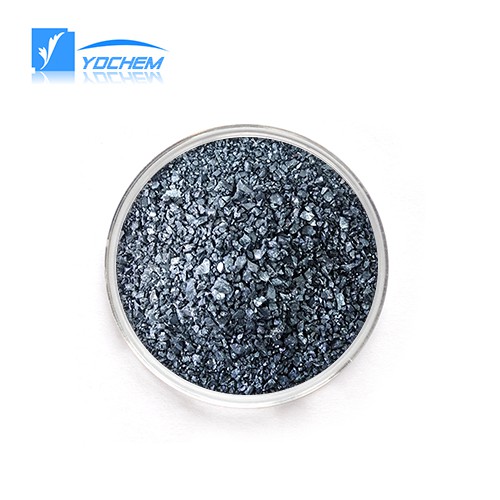

The desired final carbon content in the metal is another important factor. This will determine the amount and type of carburetant required. The processing conditions, such as temperature, pressure, and the presence of other elements in the metal, also need to be taken into account. For example, in high - temperature processes, a carburetant with good thermal stability may be required.
The Future of Carburetant and Fuel
The future of carburetant and fuel is likely to be shaped by technological advancements and environmental concerns. In the metallurgical industry, there is a growing demand for more sustainable and efficient carburetants. Research is being conducted to develop carburetants with lower environmental impacts, such as those with reduced sulfur and nitrogen content.
In the fuel sector, there is a shift towards cleaner and renewable energy sources. Fossil fuels are being gradually replaced by alternatives such as solar, wind, and biofuels. However, in the short to medium term, traditional fuels will still play a significant role in the global energy mix.
Conclusion
In conclusion, carburetant and fuel are not the same. While they share some similarities in terms of their carbon content and origin, their functions, properties, and applications are fundamentally different. As a carburetant supplier, I am committed to providing high - quality carburetants that meet the diverse needs of the metallurgical industry.
If you are involved in the metallurgical industry and are looking for a reliable carburetant supplier, I invite you to contact me for more information. We can discuss your specific requirements and find the most suitable carburetant solution for your business. Whether you need Coal Carburetant or Carborundum Diameter 60 Microns, we have the expertise and product range to meet your needs.
References
- Smith, J. (2018). Metallurgical Processes and the Role of Carburetants. Journal of Metallurgy Research, 25(3), 123 - 135.
- Johnson, A. (2019). Fuel Technology and the Transition to Renewable Energy. Energy Journal, 30(2), 78 - 92.
- Brown, C. (2020). Carbon - Containing Substances: Carburetants and Fuels. Chemical Engineering Review, 40(1), 45 - 58.