




How does coal carburetant impact the combustion process?
 May 20, 2025|
 Hey there! As a supplier of Coal Carburetant, I've been getting a lot of questions lately about how this stuff impacts the combustion process. So, I thought I'd sit down and share some insights on this topic.
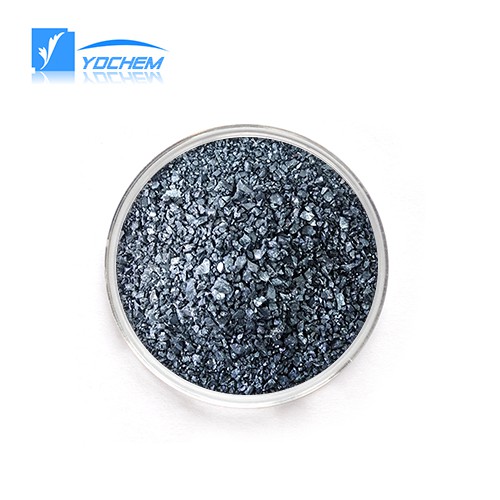
First off, let's talk about what coal carburetant is. Coal carburetant is a type of Carburetant that's made from coal. It's used in a variety of industries, especially in metallurgy, to increase the carbon content in the melting process. This helps to improve the quality and properties of the final metal product.
The Basics of Combustion
Before we dive into how coal carburetant impacts combustion, let's quickly go over the basics of combustion. Combustion is a chemical reaction that occurs when a fuel (like coal) reacts with an oxidizer (usually oxygen) to produce heat, light, and various by - products. In a typical combustion process, there are three main elements: fuel, oxygen, and an ignition source.
When coal carburetant is added to a combustion system, it acts as an additional fuel source. It contains carbon, which is the main element involved in the combustion reaction. When the carbon in the coal carburetant comes into contact with oxygen at a high enough temperature, it burns and releases energy in the form of heat.
Impact on Combustion Efficiency
One of the key impacts of coal carburetant on the combustion process is its effect on combustion efficiency. Combustion efficiency refers to how well the fuel is burned and how much of its energy is converted into useful heat.
Coal carburetant can improve combustion efficiency in several ways. Firstly, it has a high carbon content. Carbon burns relatively cleanly and releases a large amount of energy per unit mass. When added to a combustion system, it can supplement the existing fuel and ensure that more of the available oxygen is used in the combustion reaction.
Secondly, coal carburetant often has a relatively low volatile matter content. Volatile matter is the part of the fuel that vaporizes and burns quickly at low temperatures. While volatile matter can contribute to the initial ignition of the fuel, it can also cause incomplete combustion if not properly managed. A lower volatile matter content in coal carburetant means that the combustion process is more controlled, and there is less chance of unburned fuel being released into the atmosphere.
Another factor is the particle size of the coal carburetant. A well - sized coal carburetant has a larger surface area exposed to the oxygen in the combustion chamber. This allows for a more rapid and complete reaction between the carbon in the carburetant and the oxygen, further enhancing combustion efficiency.
Impact on Flame Temperature
The addition of coal carburetant can also have a significant impact on the flame temperature in the combustion chamber. Flame temperature is an important parameter in many industrial processes, as it affects the rate of melting, the quality of the metal being produced, and the overall energy consumption.
Since coal carburetant has a high carbon content and releases a large amount of energy when burned, it can increase the flame temperature. A higher flame temperature can speed up the melting process in metallurgical applications. For example, in a steel - making furnace, a higher flame temperature means that the iron ore and other raw materials can be melted more quickly, reducing the overall processing time and increasing productivity.
However, it's important to note that an excessively high flame temperature can also have some negative effects. It can cause excessive wear and tear on the furnace lining, leading to higher maintenance costs. It can also increase the formation of nitrogen oxides (NOx), which are harmful pollutants. So, it's crucial to find the right balance when using coal carburetant to control the flame temperature.

Impact on By - Products
The combustion of coal carburetant also affects the types and amounts of by - products produced during the combustion process. The main by - products of coal carburetant combustion are carbon dioxide (CO₂), water vapor (H₂O), and ash.
Carbon dioxide is a greenhouse gas, and its emission is a major concern in today's world. However, compared to some other fossil fuels, coal carburetant can be engineered to have a relatively lower carbon - to - hydrogen ratio. This means that for a given amount of energy released, it may produce less CO₂.
Ash is another by - product. The amount and composition of ash depend on the quality of the coal used to make the carburetant. High - quality coal carburetant usually has a lower ash content. A lower ash content is beneficial because it reduces the amount of waste that needs to be disposed of and also minimizes the potential for ash - related problems in the combustion system, such as clogging of filters and heat exchangers.
Role in Different Industries
Let's take a look at how coal carburetant impacts the combustion process in different industries.
Metallurgy
In the metallurgical industry, coal carburetant plays a crucial role. As I mentioned earlier, it is used to increase the carbon content in the melting process. In steel - making, for example, the right amount of carbon is essential for achieving the desired properties of the steel, such as strength and hardness.
When coal carburetant is added to the furnace, it not only provides the necessary carbon but also helps to maintain a high enough temperature for the melting and refining processes. The improved combustion efficiency also means that less energy is wasted, leading to cost savings for the steel producers.
We also offer OEM Calcium Cyanamide which can be used in combination with coal carburetant in some metallurgical applications to further enhance the properties of the final metal product.
Power Generation
In power generation, coal carburetant can be used as a supplementary fuel in coal - fired power plants. By adding coal carburetant, the power plant can improve the combustion efficiency of the coal, leading to increased electricity generation from the same amount of fuel.
It can also help to reduce the emissions of unburned carbon and other pollutants. However, power plants need to carefully monitor the addition of coal carburetant to ensure that it doesn't cause any problems with the existing combustion equipment.
Choosing the Right Coal Carburetant
As a supplier of Coal Carburetant, I know that choosing the right coal carburetant is crucial for getting the best results in the combustion process. There are several factors to consider.
Firstly, the carbon content is important. A higher carbon content generally means more energy release during combustion. However, other properties like volatile matter content, ash content, and particle size also need to be taken into account.
Secondly, the quality of the coal used to make the carburetant matters. High - quality coal will result in a more consistent and reliable carburetant product.
Finally, it's important to work with a supplier who can provide technical support and advice. We understand the unique requirements of different industries and can help you select the most suitable coal carburetant for your specific application.
Conclusion
In conclusion, coal carburetant has a significant impact on the combustion process. It can improve combustion efficiency, increase flame temperature, and affect the types and amounts of by - products produced. Whether you're in the metallurgy industry or power generation, choosing the right coal carburetant can lead to cost savings, improved product quality, and reduced environmental impact.
If you're interested in learning more about our coal carburetant products or have any questions about how they can fit into your combustion process, don't hesitate to reach out. We're here to help you make the most of this valuable fuel additive. Let's start a conversation and see how we can work together to optimize your combustion process.
References
- "Combustion Science and Engineering" by Richard Strehlow
- "Metallurgical Thermodynamics" by Robert Hultgren