




Does Graphite Carburetant contain any harmful impurities?
 May 16, 2025|
 As a supplier of graphite carburetant, I often encounter questions from customers regarding the purity and potential presence of harmful impurities in our product. Graphite carburetant is a crucial additive in the metallurgical industry, used to increase the carbon content in steel and other metals during the smelting process. Its quality can significantly impact the final properties of the metal products. In this blog, I will delve into the topic of whether graphite carburetant contains any harmful impurities and provide a comprehensive analysis based on scientific knowledge and our practical experience.
Understanding Graphite Carburetant
Graphite carburetant is mainly composed of carbon in the form of graphite. It is produced through various methods, such as high - temperature calcination of natural graphite or synthetic graphite manufacturing. The high carbon content of graphite carburetant makes it an ideal choice for adjusting the carbon level in molten metals. When added to the metal melt, it can improve the hardness, strength, and wear - resistance of the final metal products.
Common Impurities in Graphite Carburetant
Like any industrial product, graphite carburetant may contain some impurities. However, not all impurities are harmful. Some common impurities in graphite carburetant include silicon (Si), sulfur (S), phosphorus (P), and ash.
-
Silicon (Si): Silicon is a relatively common impurity in graphite carburetant. In small amounts, silicon can act as a deoxidizer in the metal melt, which can be beneficial for the metallurgical process. It helps to remove oxygen from the melt, reducing the formation of oxides and improving the quality of the metal. However, if the silicon content is too high, it can affect the mechanical properties of the final metal product, such as reducing its ductility.
-
Sulfur (S): Sulfur is generally considered a harmful impurity in most metallurgical applications. In steel, sulfur can form iron sulfide (FeS), which has a low melting point and can cause hot - shortness. Hot - shortness means that the steel becomes brittle at high temperatures, making it difficult to process and reducing its overall quality. Therefore, in high - quality steel production, the sulfur content in the carburetant needs to be strictly controlled.
-
Phosphorus (P): Phosphorus is another impurity that can have a negative impact on the properties of metals. In steel, phosphorus can cause cold - shortness, which means the steel becomes brittle at low temperatures. Similar to sulfur, the phosphorus content in graphite carburetant for high - quality steel production should be kept at a minimum.
-
Ash: Ash is the non - combustible residue left after the graphite carburetant is burned. It mainly consists of inorganic compounds such as oxides of aluminum, calcium, magnesium, etc. High ash content in graphite carburetant can reduce its carbon content and may also introduce additional impurities into the metal melt.
Our Quality Control Measures
As a responsible supplier, we have implemented strict quality control measures to ensure that our graphite carburetant contains minimal harmful impurities.
-
Raw Material Selection: We carefully select high - quality raw materials for the production of graphite carburetant. For natural graphite, we source from mines with high - grade graphite ore, which has relatively low impurity content. For synthetic graphite, we use high - purity carbon precursors and advanced manufacturing processes to minimize the introduction of impurities.
-
Production Process Optimization: Our production process is designed to reduce the impurity content. High - temperature calcination is a key step in our production process, which can volatilize some low - boiling - point impurities such as sulfur. We also use purification techniques to further remove impurities, such as acid washing to remove metal oxides.
-
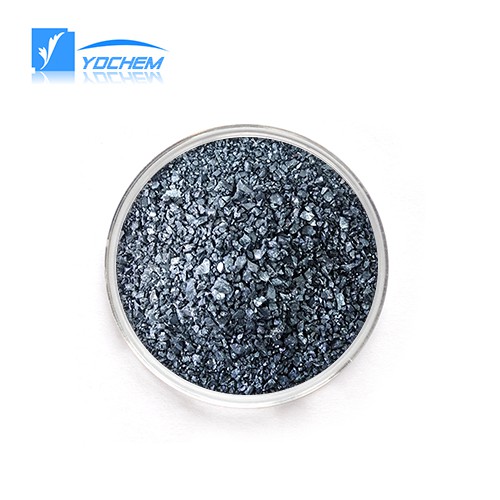
Quality Testing: Before the product leaves the factory, it undergoes a series of strict quality tests. We use advanced analytical instruments such as spectrometry to accurately measure the content of various elements in the graphite carburetant. Only products that meet our strict quality standards are allowed to be sold to customers.
Comparison with Other Carburetants
When considering the impurity issue, it is also interesting to compare graphite carburetant with other types of carburetants, such as [Coal Carburetant](/metallurgy/coal - carburetant.html). Coal carburetant is generally cheaper but may contain higher levels of impurities, especially sulfur and ash. Graphite carburetant, on the other hand, usually has a higher carbon content and lower impurity levels, which makes it more suitable for high - quality metal production.
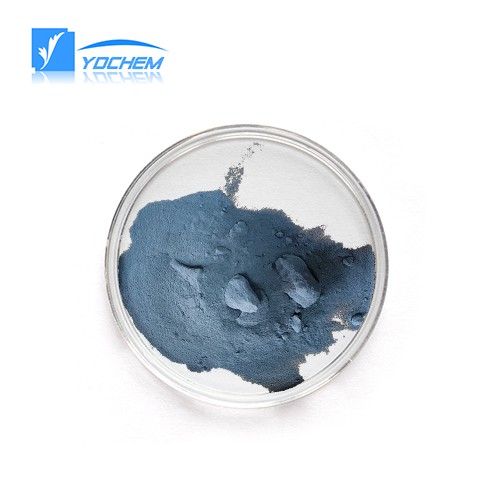
Carburetant is a broad term that includes various types of carbon - containing additives for metallurgy. Each type of carburetant has its own characteristics in terms of impurity content and performance. Our graphite carburetant stands out for its relatively low impurity content and high carbon purity, which can bring more stable and reliable performance in the metallurgical process.
The Safety of Graphite Carburetant
In addition to the chemical impurities, some customers may also be concerned about the safety of using graphite carburetant. Generally speaking, graphite carburetant is a relatively safe product when handled properly. It is non - toxic and non - radioactive under normal conditions. However, during the handling and use process, proper protective measures should be taken to avoid inhaling graphite dust, which may cause respiratory problems if inhaled in large quantities.
Applications and the Impact of Impurities
The impact of impurities in graphite carburetant varies depending on the specific application. In the production of high - end steel products, such as automotive steel and aerospace steel, the requirements for impurity content are extremely strict. Even a small amount of sulfur or phosphorus can significantly affect the mechanical properties and corrosion resistance of the steel. In contrast, for some low - end metal products, a slightly higher impurity content may be acceptable, as long as it does not cause obvious quality problems.

Our Commitment to Customers
We are committed to providing our customers with high - quality graphite carburetant with minimal harmful impurities. Our products have been widely used in various metallurgical industries and have received positive feedback from customers. We continuously invest in research and development to improve the quality of our products and meet the ever - increasing requirements of the market.
Contact Us for Purchase and Negotiation
If you are interested in our graphite carburetant or have any questions about its quality and impurity content, please feel free to contact us. We are always ready to provide you with detailed product information and negotiate the best purchase terms for you. Our professional sales team will assist you throughout the purchasing process.
References
- Smith, J. (2018). Metallurgical Additives: A Comprehensive Guide. London: Metallurgy Press.
- Johnson, R. (2019). Carbon Additives in Steelmaking. New York: Steel Industry Publishing.
- Brown, A. (2020). Quality Control in Graphite Production. Sydney: Carbon Materials Journal.