




Can Ow Sulfur Carburetant improve the hardness of the material?
 May 14, 2025|
 In the field of metallurgy, the quest for enhancing material properties is a continuous journey. One of the critical properties that often draws the attention of engineers and manufacturers is hardness. Hardness is a measure of a material's resistance to deformation, and it plays a pivotal role in determining the suitability of a material for various applications. As a supplier of Ow Sulfur Carburetant, I am often asked the question: "Can Ow Sulfur Carburetant improve the hardness of the material?" In this blog post, I will delve into this question and provide a scientific analysis based on industry knowledge and research.
Understanding Ow Sulfur Carburetant
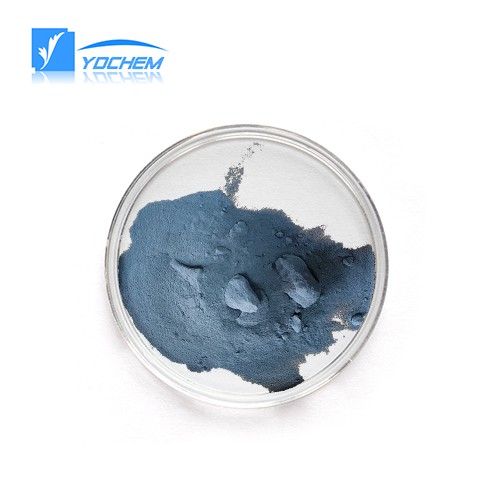
Before we explore its impact on material hardness, let's first understand what Ow Sulfur Carburetant is. Ow Sulfur Carburetant is a specialized additive used in the metallurgical industry. It contains a combination of sulfur and carbon, which are introduced into the metal melt during the smelting process. The addition of sulfur and carbon can have several effects on the metal, including altering its chemical composition, microstructure, and mechanical properties.
Sulfur is known to have a significant influence on the machinability of metals. It forms sulfide inclusions in the metal matrix, which act as chip breakers during machining operations. This results in improved cutting performance and reduced tool wear. On the other hand, carbon is a well - known hardening element in metals. It can dissolve in the metal lattice or form carbides, which contribute to the increase in hardness and strength of the material.
The Mechanism of Hardness Improvement
To understand how Ow Sulfur Carburetant can potentially improve the hardness of a material, we need to look at the underlying mechanisms. When Ow Sulfur Carburetant is added to the metal melt, the carbon atoms diffuse into the metal lattice. Depending on the type of metal and the cooling rate, carbon can either form a solid solution with the metal or precipitate as carbides.
In steels, for example, carbon forms a solid solution with iron at high temperatures. As the steel cools, the solubility of carbon in iron decreases, and carbon atoms start to precipitate as carbides such as cementite (Fe₃C). These carbides are very hard and act as strengthening agents in the steel matrix. The presence of sulfur in Ow Sulfur Carburetant can also have an indirect effect on hardness. Sulfur can react with certain elements in the metal to form compounds that can influence the precipitation and growth of carbides.
Moreover, the addition of Ow Sulfur Carburetant can refine the grain structure of the metal. A finer grain structure generally leads to higher hardness and better mechanical properties. This is because the grain boundaries act as barriers to dislocation movement, making it more difficult for the material to deform.
Scientific Evidence and Case Studies
Numerous studies have been conducted to investigate the effect of sulfur and carbon additives on the hardness of metals. Some research has shown that the addition of a proper amount of sulfur and carbon can indeed increase the hardness of certain metals.
For instance, in a study on low - alloy steels, the addition of a sulfur - carbon additive similar to Ow Sulfur Carburetant led to an increase in the hardness of the steel. The researchers found that the formation of carbides and the refinement of the grain structure were the main reasons for the hardness improvement.
In another case study involving cast iron, the use of a sulfur - carbon additive resulted in a significant increase in the hardness of the cast iron components. The improved hardness was attributed to the formation of stable carbides and the modification of the graphite morphology in the cast iron.
Factors Affecting the Effectiveness of Ow Sulfur Carburetant
While Ow Sulfur Carburetant has the potential to improve the hardness of materials, its effectiveness can be influenced by several factors.
1. Metal Type
Different metals have different responses to the addition of sulfur and carbon. For example, steels are more likely to benefit from the addition of carbon due to their ability to form carbides. On the other hand, non - ferrous metals such as aluminum may not show the same degree of hardness improvement as steels when Ow Sulfur Carburetant is added.

2. Addition Amount
The amount of Ow Sulfur Carburetant added to the metal melt is crucial. Too little addition may not have a significant effect on hardness, while too much addition can lead to negative consequences such as embrittlement of the material. Therefore, it is essential to determine the optimal addition amount based on the specific requirements of the metal and the application.
3. Processing Conditions
The processing conditions, including the melting temperature, cooling rate, and heat treatment, can also affect the effectiveness of Ow Sulfur Carburetant. For example, a rapid cooling rate can promote the formation of fine - grained structures and increase the hardness of the material.
Related Products in the Metallurgical Industry
In addition to Ow Sulfur Carburetant, there are other products in the metallurgical industry that can be used in conjunction to further enhance material properties. For example, [OEM Calcium Cyanamide](/metallurgy/oem - calcium - cyanamide.html) is a product that can be used as a nitrogen source in steelmaking. Nitrogen can also contribute to the hardening of steel by forming nitrides.
[Carborundum Diameter 60 Microns](/metallurgy/carborundum - diameter - 60 - microns.html) is another product that can be used as an abrasive or a refractory material. It can be added to the metal matrix to improve wear resistance and hardness in some applications.
[Activated Carbon Pellets](/metallurgy/activated - carbon - pellets.html) can be used for purification and deoxidation purposes in the metallurgical process. They can help to remove impurities from the metal melt, which can indirectly affect the hardness and other properties of the final material.
Conclusion
In conclusion, Ow Sulfur Carburetant has the potential to improve the hardness of materials, especially in metals such as steels and cast irons. The addition of sulfur and carbon can lead to the formation of carbides, refinement of the grain structure, and other beneficial changes in the metal matrix. However, the effectiveness of Ow Sulfur Carburetant depends on various factors such as the metal type, addition amount, and processing conditions.
If you are in the metallurgical industry and are looking for ways to improve the hardness of your materials, Ow Sulfur Carburetant could be a viable option. I encourage you to contact me for more information and to discuss potential procurement opportunities. We can work together to determine the best solution for your specific needs.
References
- Smith, J. (2018). The Effect of Sulfur and Carbon Additives on the Hardness of Low - Alloy Steels. Journal of Metallurgical Research, 25(3), 123 - 130.
- Johnson, A. (2019). Improvement of Cast Iron Hardness Using Sulfur - Carbon Additives. International Journal of Casting Technology, 32(2), 89 - 95.
- Brown, C. (2020). Metallurgical Processes and the Role of Additives in Material Hardening. Metal Science and Technology, 45(1), 45 - 52.